2569_4121530814119716692_n

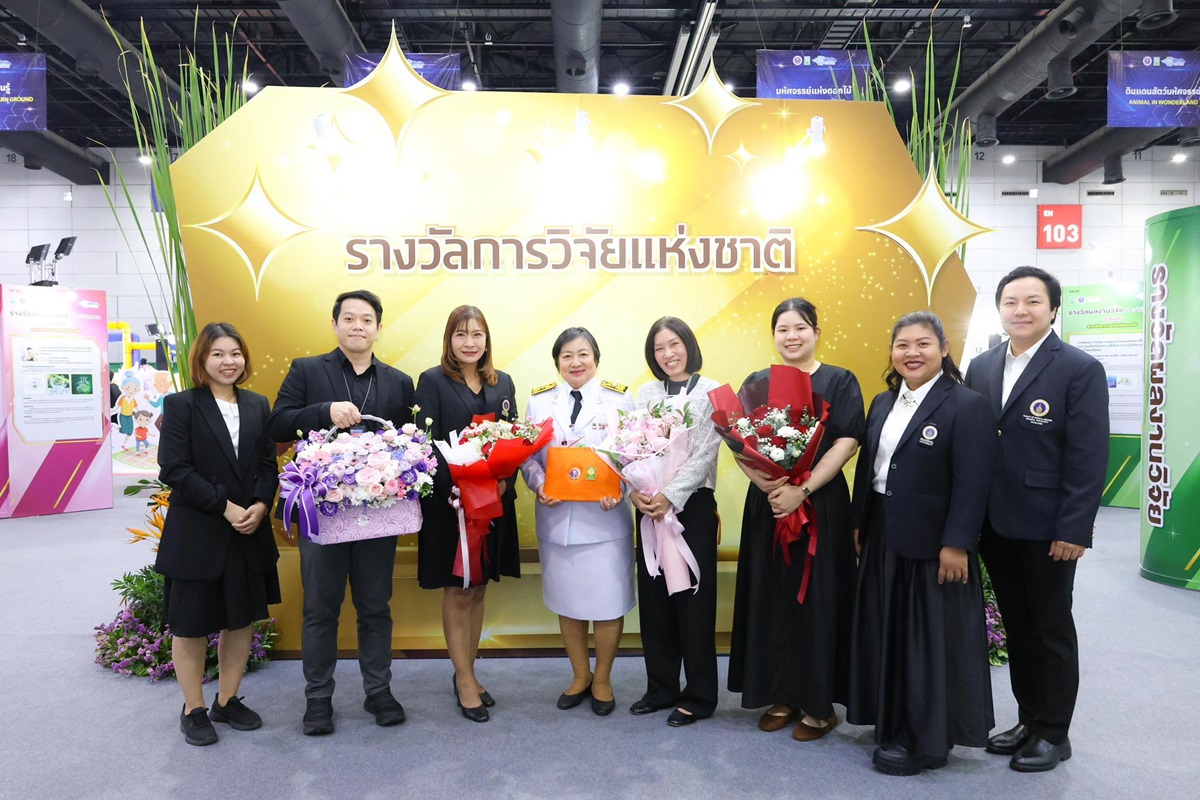
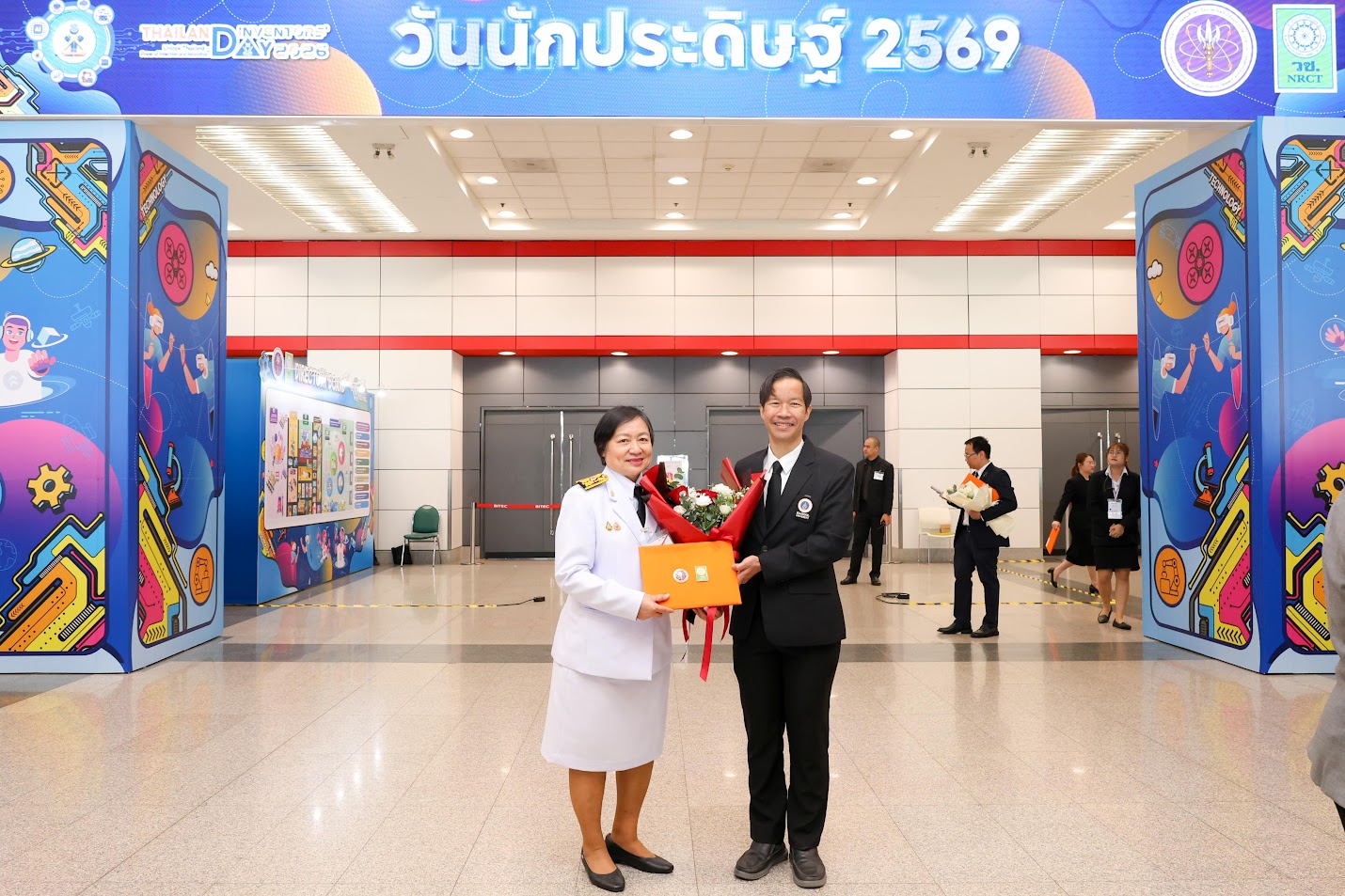
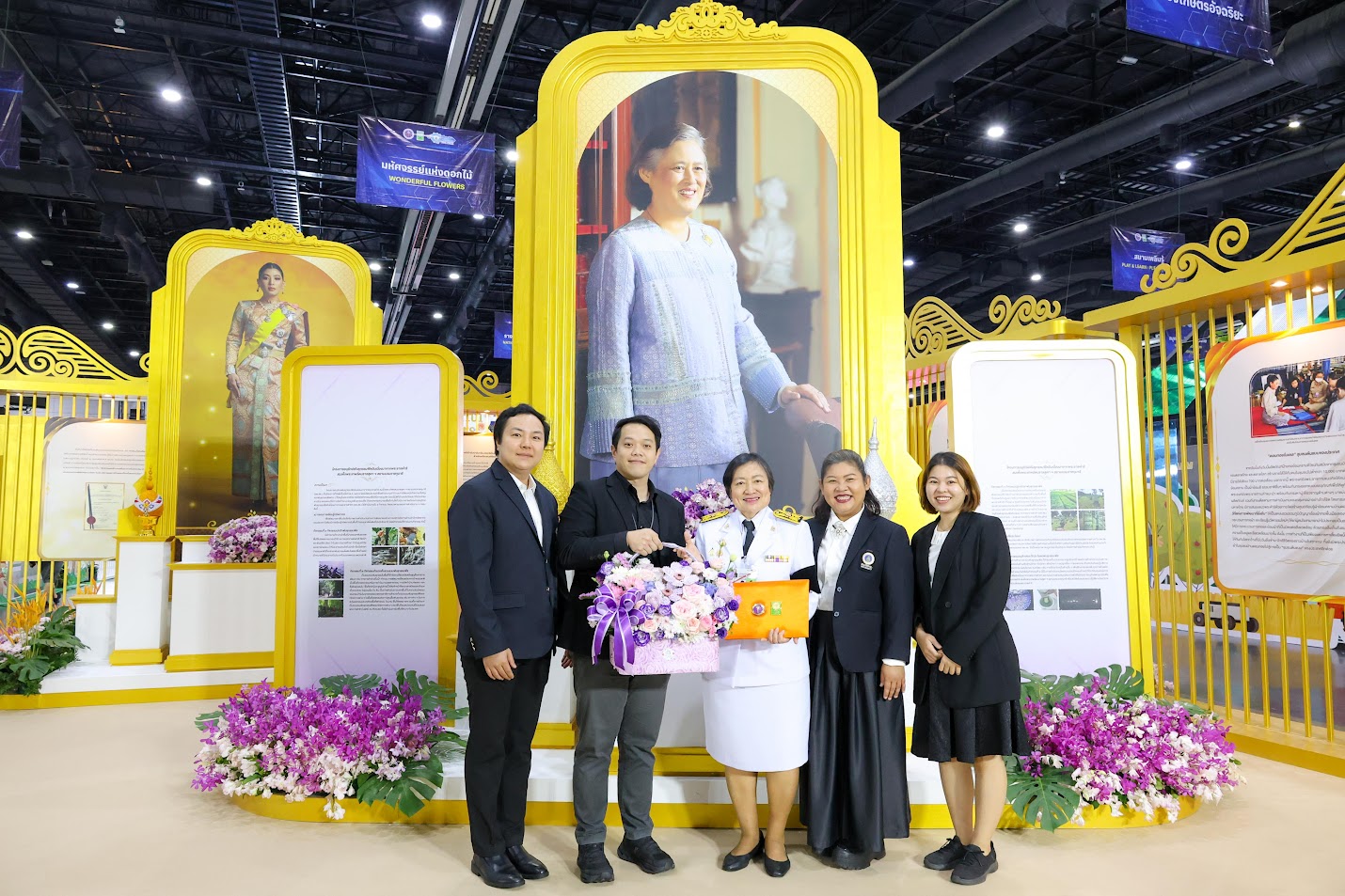
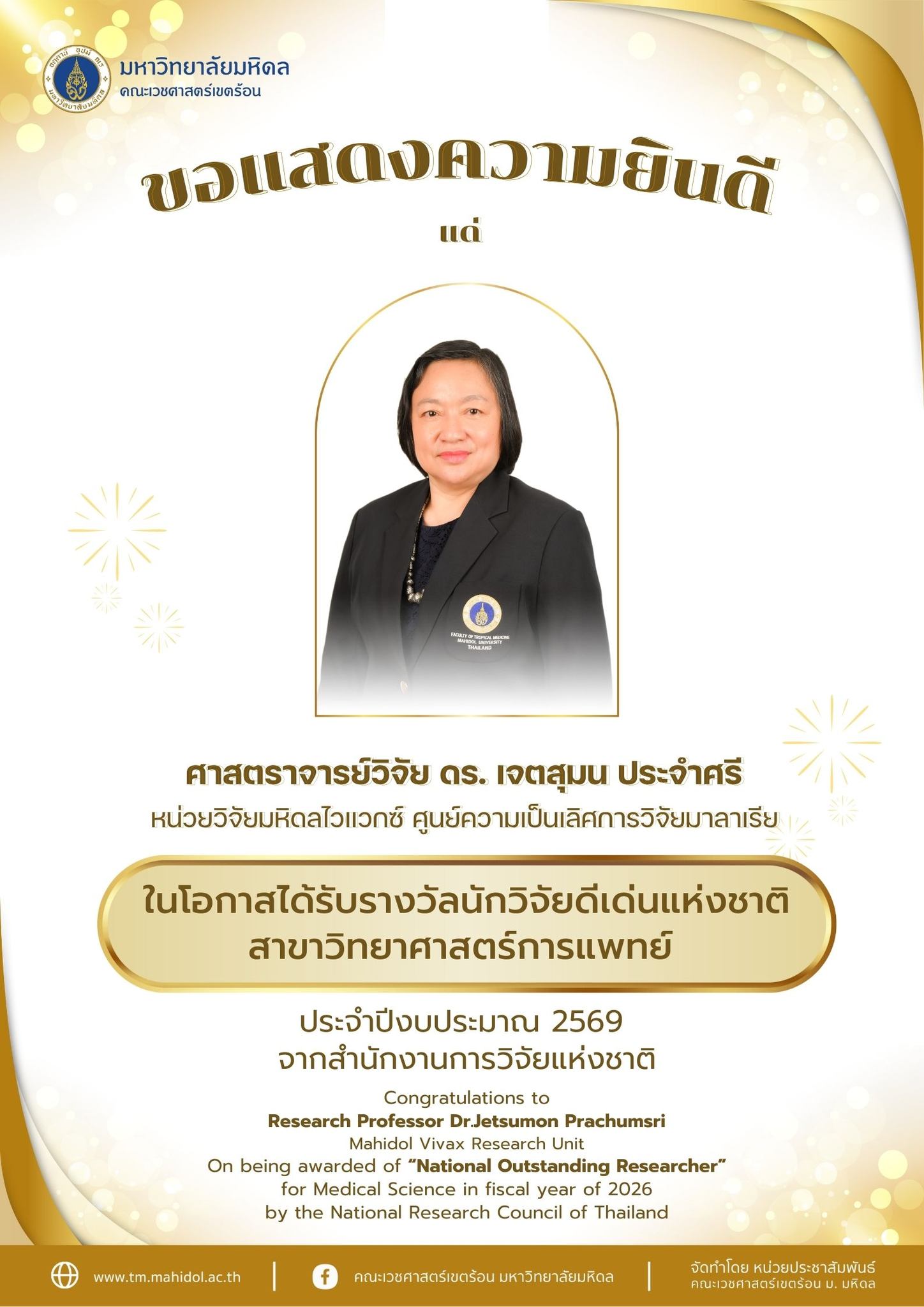
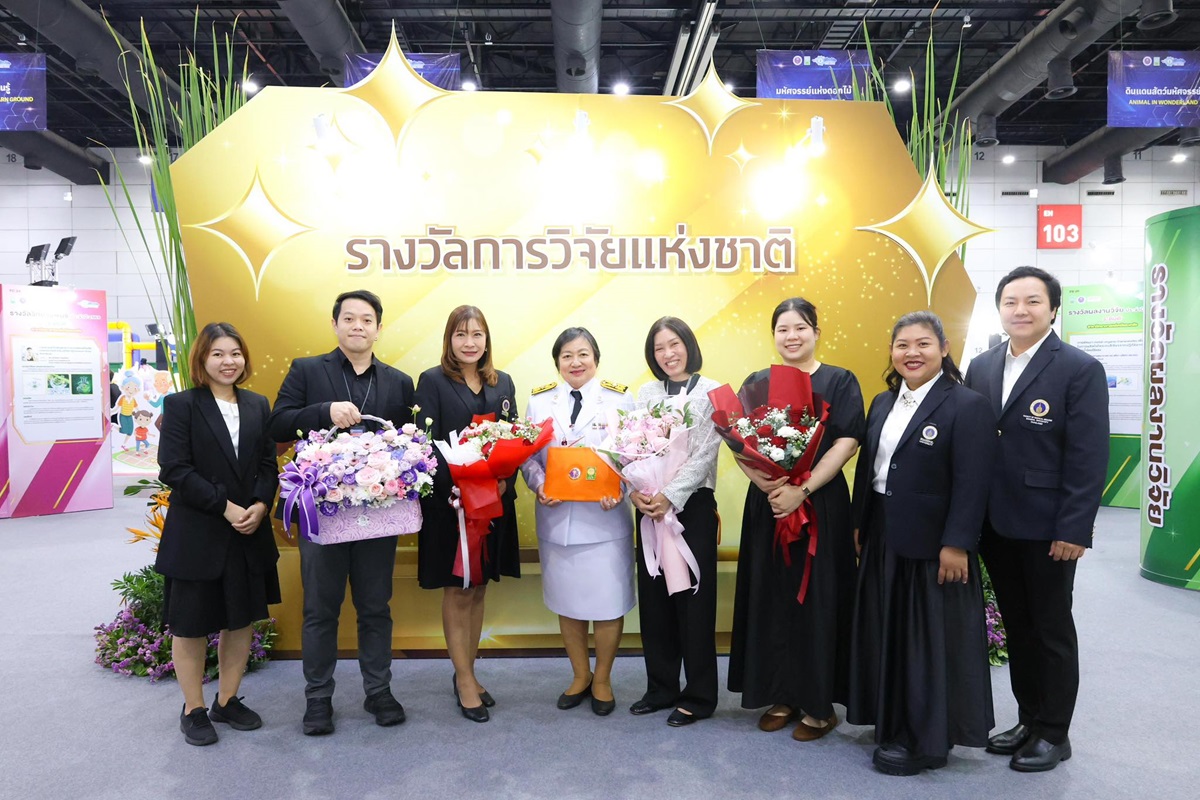
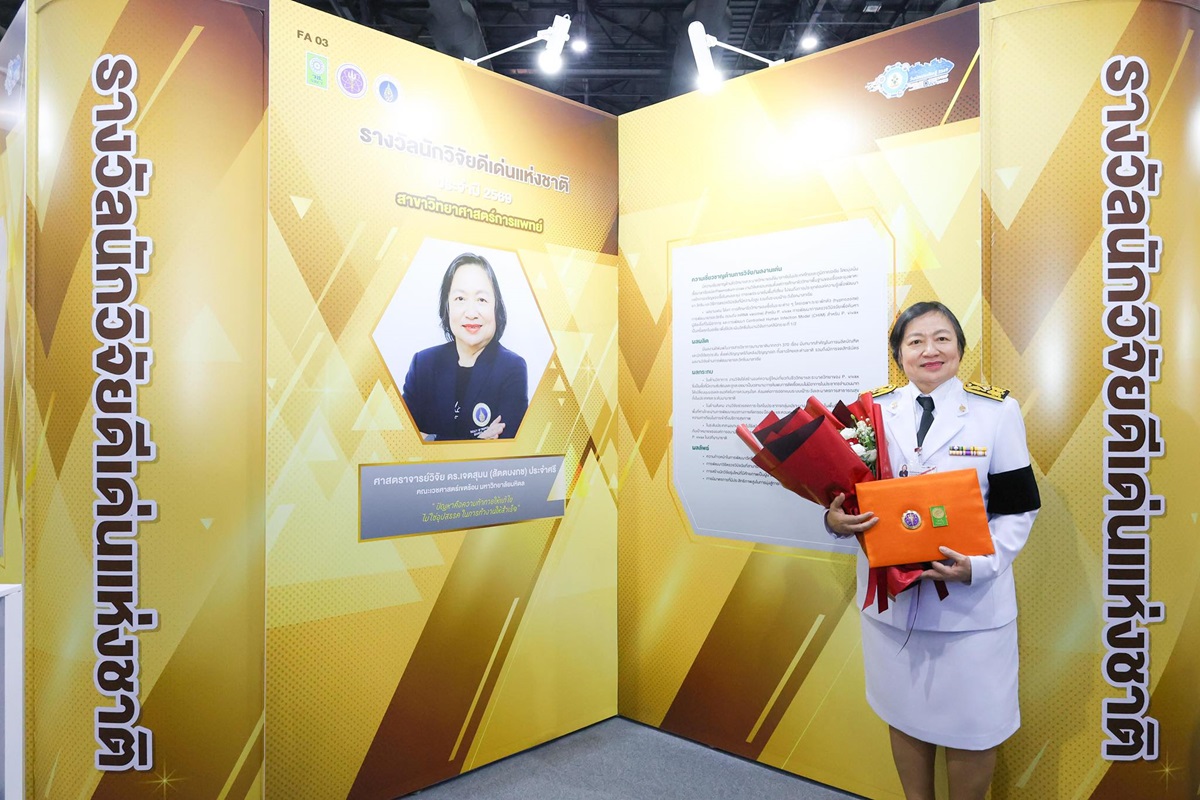
ศาสตราจารย์วิจัย ดร.เจตสุมน ประจำศรี รองคณบดีฝ่ายวิจัย คณะเวชศาสตร์เขตร้อน มหาวิทยาลัยมหิดล ได้รับรางวัล นักวิจัยดีเด่นแห่งชาติ สาขาวิทยาศาสตร์การแพทย์ ประจำปีงบประมาณ 2569

ศาสตราจารย์วิจัย ดร.เจตสุมน ประจำศรี รองคณบดีฝ่ายวิจัย คณะเวชศาสตร์เขตร้อน มหาวิทยาลัยมหิดล ได้รับรางวัล นักวิจัยดีเด่นแห่งชาติ สาขาวิทยาศาสตร์การแพทย์ ประจำปีงบประมาณ 2569

สมเด็จพระเจ้าลูกเธอ เจ้าฟ้าสิริวัณณวรี นารีรัตนราชกัญญา ทรงพระกรุณาโปรดให้ คุณรติรส จุลชาต เป็นผู้แทนพระองค์ เป็นประธานในพิธีเปิดงาน “วันนักประดิษฐ์” ประจำปี 2569 (Thailand Inventors’ Day 2026) และมอบรางวัลการวิจัยแห่งชาติแก่คณะนักวิจัยในสาขาต่าง ๆ ประจำปีงบประมาณ 2569 ซึ่งจัดโดย สำนักงานการวิจัยแห่งชาติ (วช.) กระทรวงการอุดมศึกษา วิทยาศาสตร์ วิจัยและนวัตกรรม เมื่อวันที่ 8 มกราคม 2569

ในโอกาสนี้ ศาสตราจารย์วิจัย ดร.เจตสุมน ประจำศรี รองคณบดีฝ่ายวิจัย คณะเวชศาสตร์เขตร้อน มหาวิทยาลัยมหิดล ได้รับรางวัล นักวิจัยดีเด่นแห่งชาติ สาขาวิทยาศาสตร์การแพทย์ ประจำปีงบประมาณ 2569 จากผลงานวิจัยที่มีคุณูปการอย่างโดดเด่นต่อวงการวิทยาศาสตร์การแพทย์ โดยมีผลงานตีพิมพ์ในวารสารวิชาการนานาชาติมากกว่า 370 เรื่อง อีกทั้งยังมีบทบาทสำคัญในการผลิตบัณฑิตและนักวิจัยทุกระดับอย่างต่อเนื่อง นอกจากนี้ ยังมีผลงานวิจัยที่ได้รับการจดสิทธิบัตรในด้านการพัฒนายาและวัคซีนป้องกันโรคมาลาเรีย

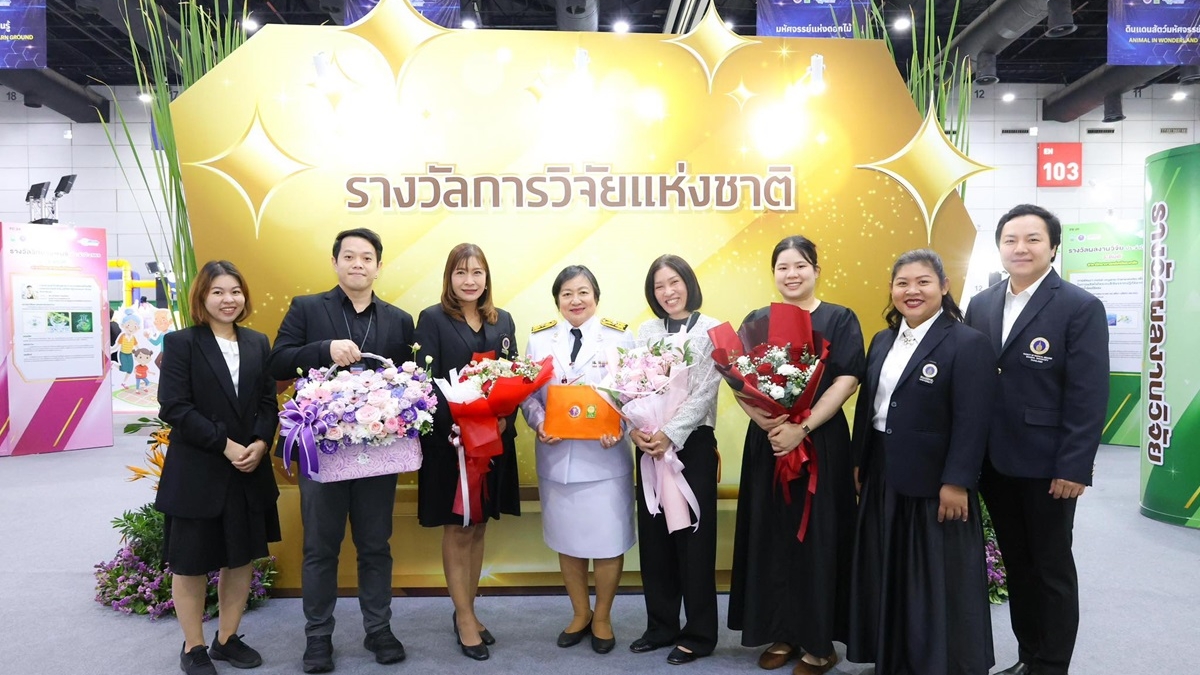
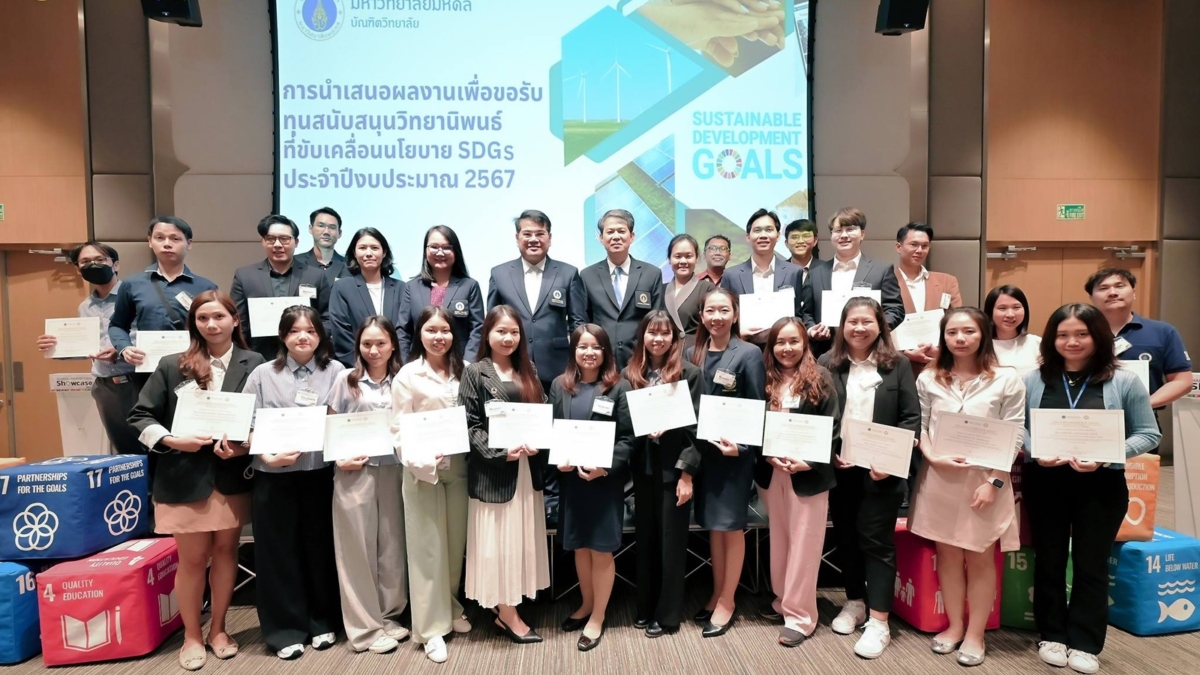
ทั้งนี้ ศาสตราจารย์ นายแพทย์ หม่อมหลวงชาครีย์ กิติยากร รองอธิการบดีฝ่ายวิจัย มหาวิทยาลัยมหิดล รองศาสตราจารย์ ดร.พรสวรรค์ เหลืองวุฒิวงษ์ รองคณบดีฝ่ายมาตรฐานการวิจัย คณะเวชศาสตร์เขตร้อน พร้อมด้วย คณาจารย์ นักวิจัย และบุคลากร ได้ร่วมแสดงความยินดีที่ได้รับรางวัลในโอกาสดังกล่าว ณ Event Hall 103 ศูนย์นิทรรศการและการประชุมไบเทค บางนา กรุงเทพมหานคร

3_New 001

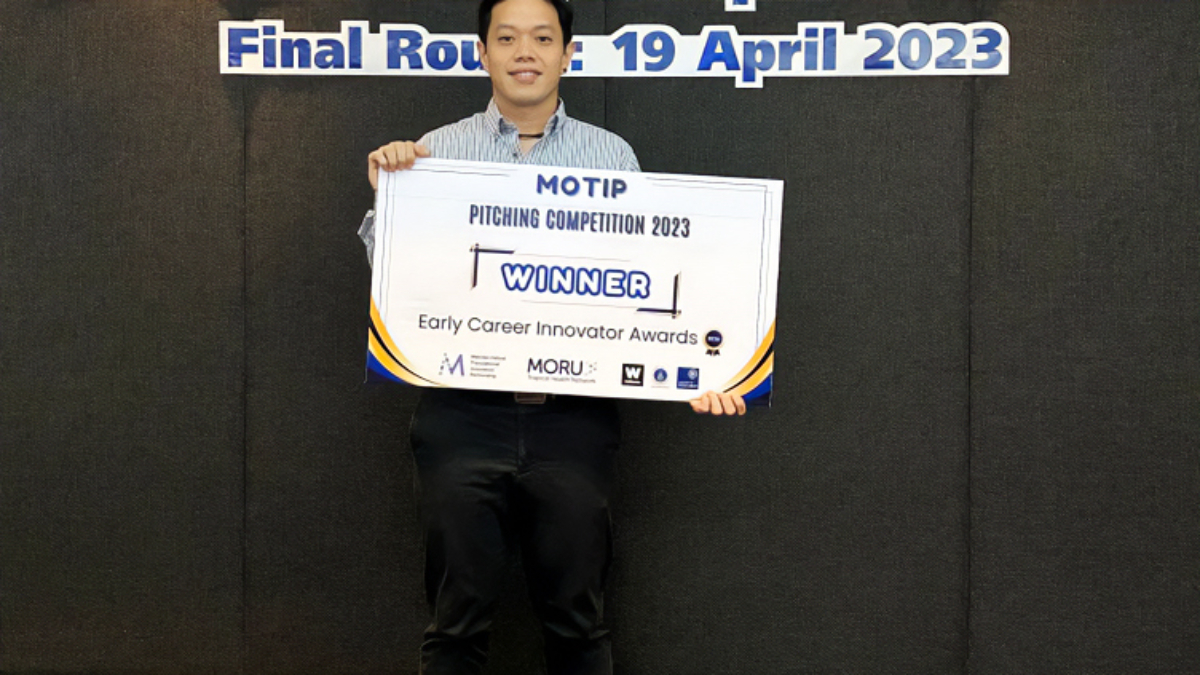
MOTIP Pitching Competition 2023

MOTIP Pitching Competition 2023

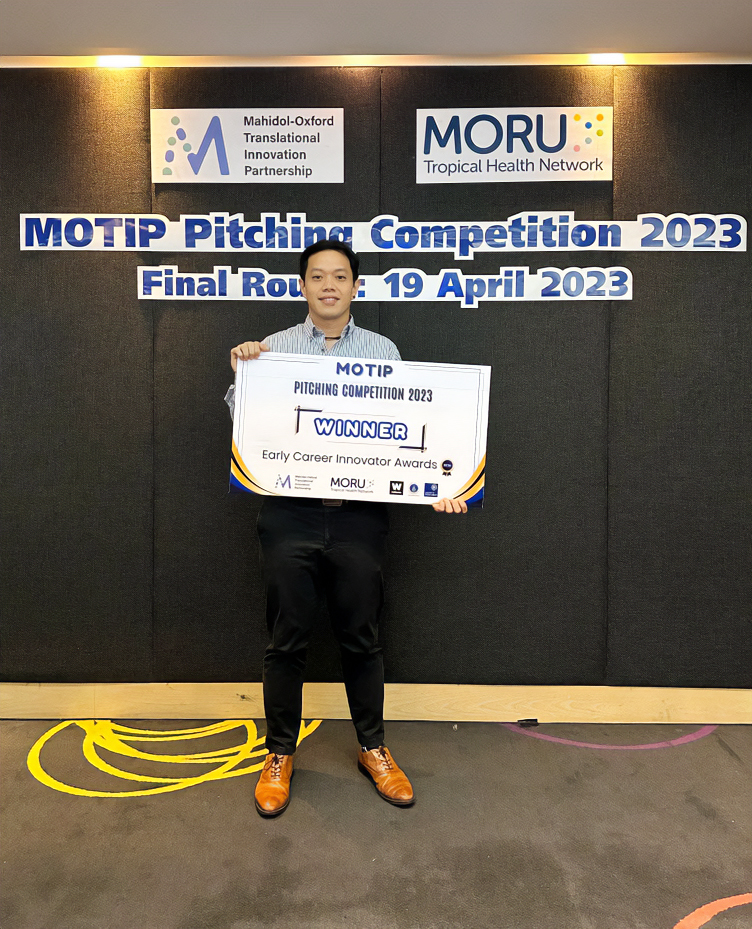
Congratulations to Dr.Sirasate Bantuchai for WINNER MOTIP Pitching Compettion 2023, Early Career Innovator Award, Mahidol-Oxford Translational Innovation Partership

This new fund is targeted to promising PhD students and Post-docs who need funding for pilot studies to evaluate the viability of their translational research ideas. The major aim of the grant is to foster creativity and to have researchers and scientists thinking about translational research potential from early on in their careers. They will be given a small funding award to cover the costs of the research to further explore their idea.

Zoe.jpg

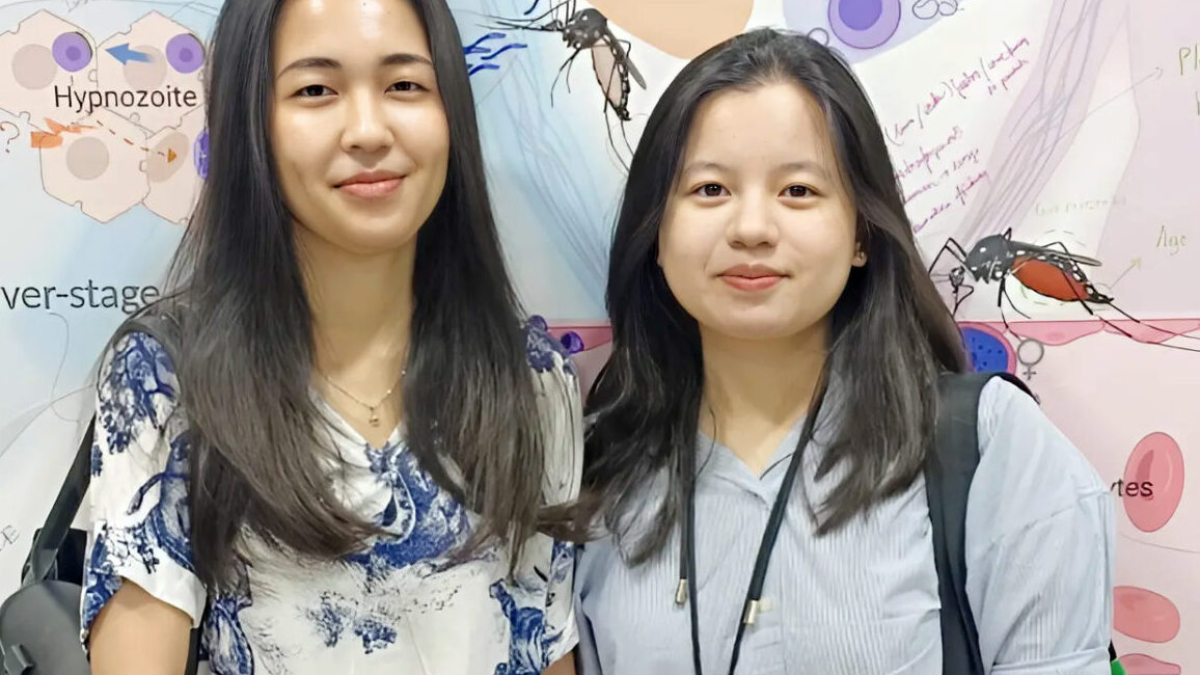
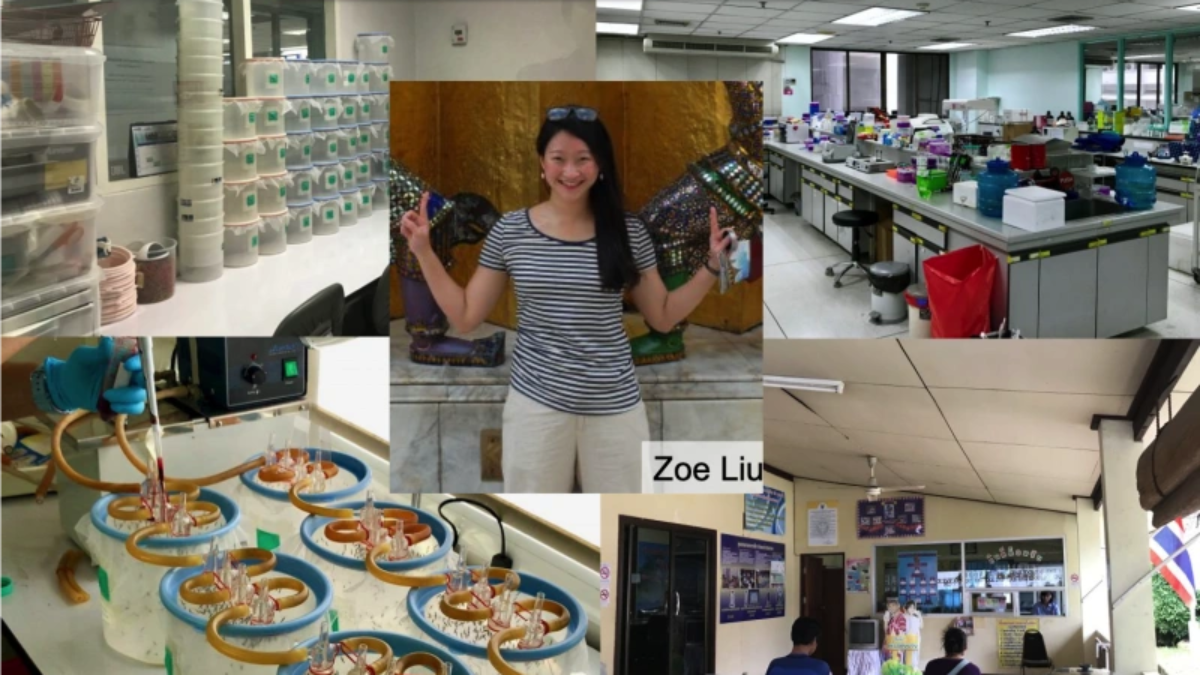
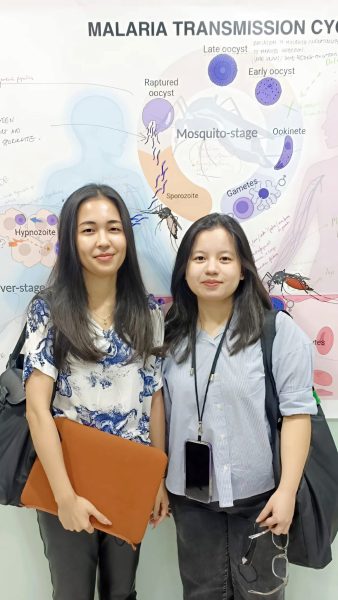
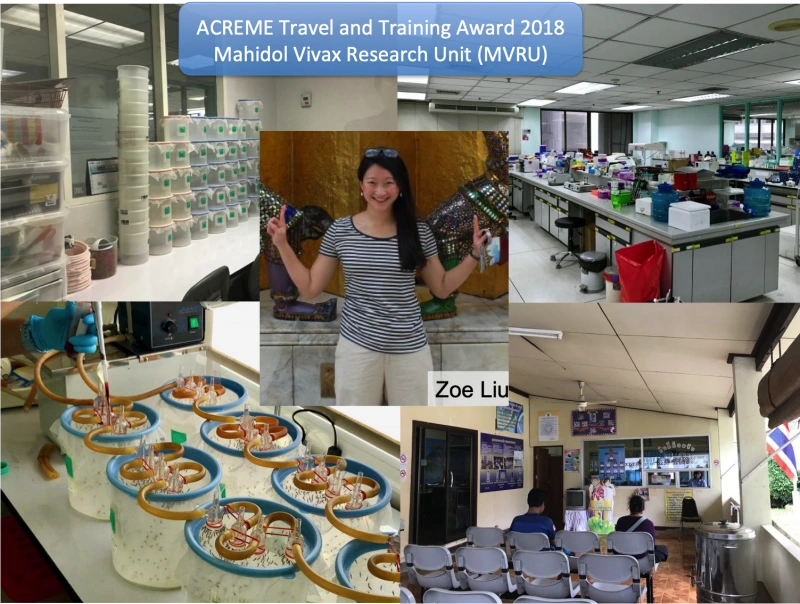
Melbourne PhD student Zoe Liu visits Mahidol Vivax Research Unit, Bangkok

Melbourne PhD student Zoe Liu visits Mahidol Vivax Research Unit, Bangkok

November 1, 2018

By Zoe Liu

For every PhD student who studies population health, we dream of travelling to countries where our disease of interest is endemic, and I am no exception. I have been looking at naturally acquired antibody kinetics following a symptomatic Plasmodium vivax infection at WEHI in Melbourne for two years, and the human plasma samples I have been using are from Thailand. We are hoping that studying these humoral response profiles will allow us to learn more about the development of immune responses naturally induced by malaria parasites. Additionally, having spent almost three decades in malaria-eradicated countries, I had only learned what is like to live with the disease from textbook pictures and seminars given by researchers with fieldwork experiences. I had always felt like something was missing, until my supervisor Dr Rhea Longley mentioned to me about a travel scholarship opportunity.

I was very fortunate to receive the Travel and Training Award from ACREME to spend two weeks in Thailand. For the first week I visited the Mahidol Vivax Research Unit at Mahidol University in Bangkok to measure antibody kinetics following asymptomatic P. vivax infections by accessing their archival plasma samples and Luminex platform. Dr Jetsumon Sattabongkot and her team were most helpful and friendly during my stay. They made sure I was well supplied and went the extra mile to show me their insectary room and explained how mosquitoes were grown and bred in detail.

For more details, please visit https://www.acreme.org.au/melbourne-phd-student-zoe-liu-visits-mahidol-vivax-research-unit-bangkok/

6_Special Pre-meeting event

Special Pre-meeting event: Case studies of Tropical Health

Special Pre-meeting event: Case studies of Tropical Health

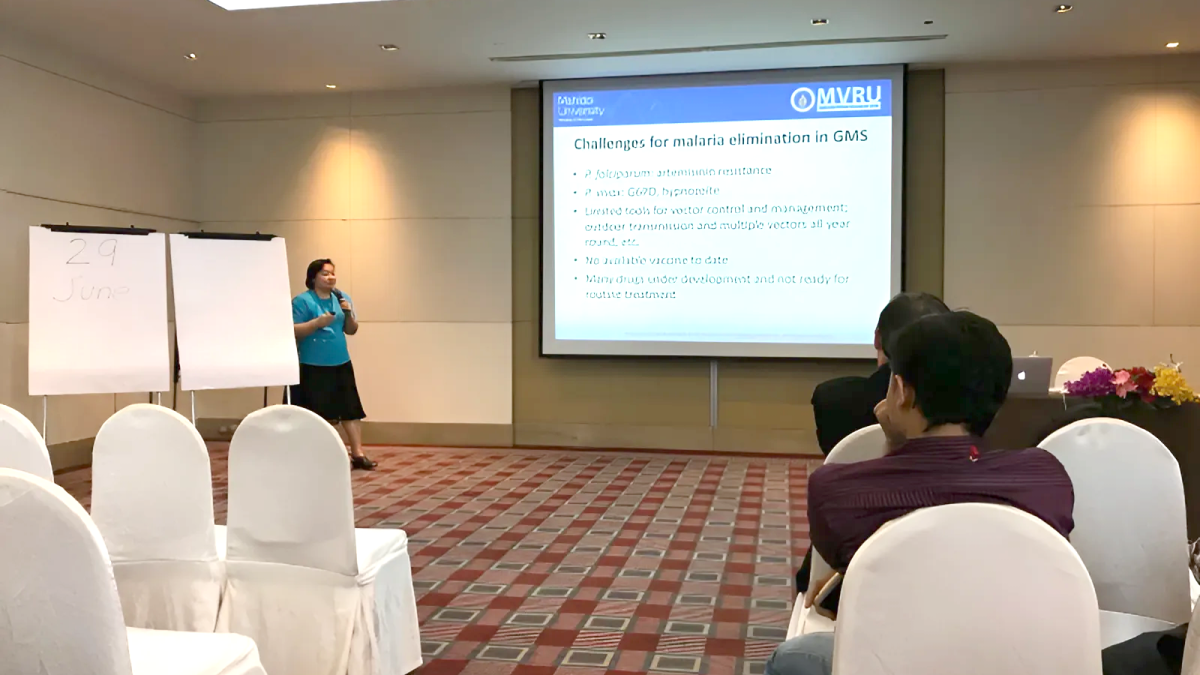
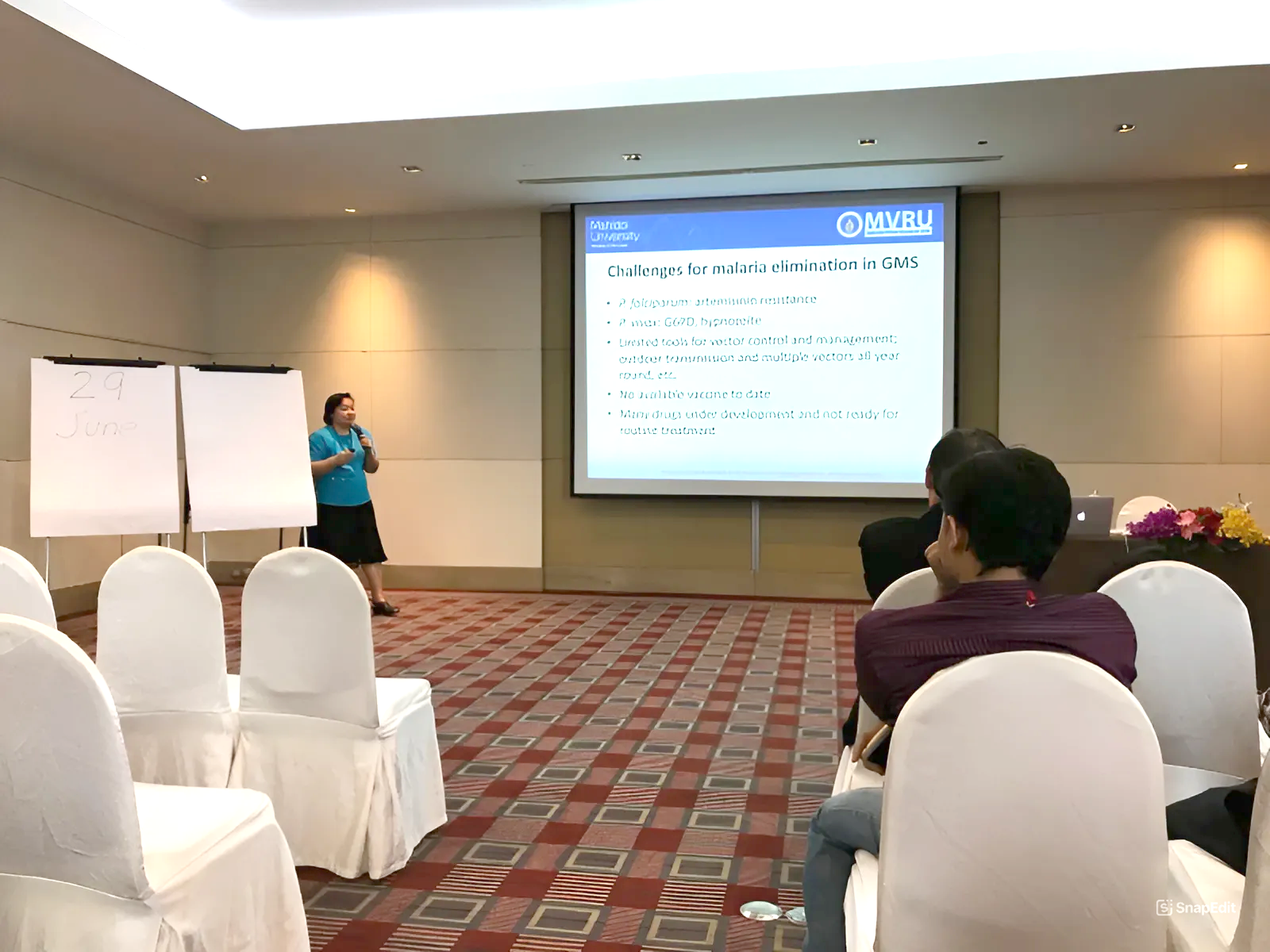
Dr. Jetsumon, director of MVRU, has a presentation on Cases studies of Tropical Health, Pre-meeting course for JITMM 2018 on the topic of Challenges for Malaria elimination in GMS at Amari water gate hotel.

This pre-meeting course is set up to update on case studies on Tropical health from each speakers including Dr. Jetsumon.

Dr. Jetsumon presents about background of malaria disease transmission with the life cycle of Plasmodium spp. and about topics as follow

  • Challenges for malaria elimination in GMS

    • P. falciparum: artemismin resistance
    • P. vivax: G6PD, hypnozoite
    • Lmited tools for vector control and management; outdoor transmission and multiple vectors all year round, etc.
    • No available vaccine to date
    • Many drugs under development and not ready for routine treatment
  • International network: APMEN (Asia Pacific Malaria Elimination Network)

    • Malaria-free, currently, Sri Lanka only
    • Malaria-eliminated by 2020, Bhutan China, Malaysia, South Korea
    • Transitioning towards malaria elimination (2025-2030), Bangladesh, Cambodia, Indonesia, Lao PDR, Myanmar, Phillippines, Solomon Islands, Thailand, Timor leste, Vanuatu, Vietnam
    • Malaria disease burden reduction (but targeting 2030), Afghanistan, India, Pakistan, PNG
  • Research to Policy

    • Many research groups in the GMS countries on drugs
    • Limited research on vectors and control as well as social sciences
    • Very few in depth social science study on knowledge of malaria in population at risk and community engagement to malaria elimination
    • How the research outcome can be used to accelerate the National Malaria Program in timely manner.

11 December 2018

Screen_Shot_2561-12-04_at_15.07.45

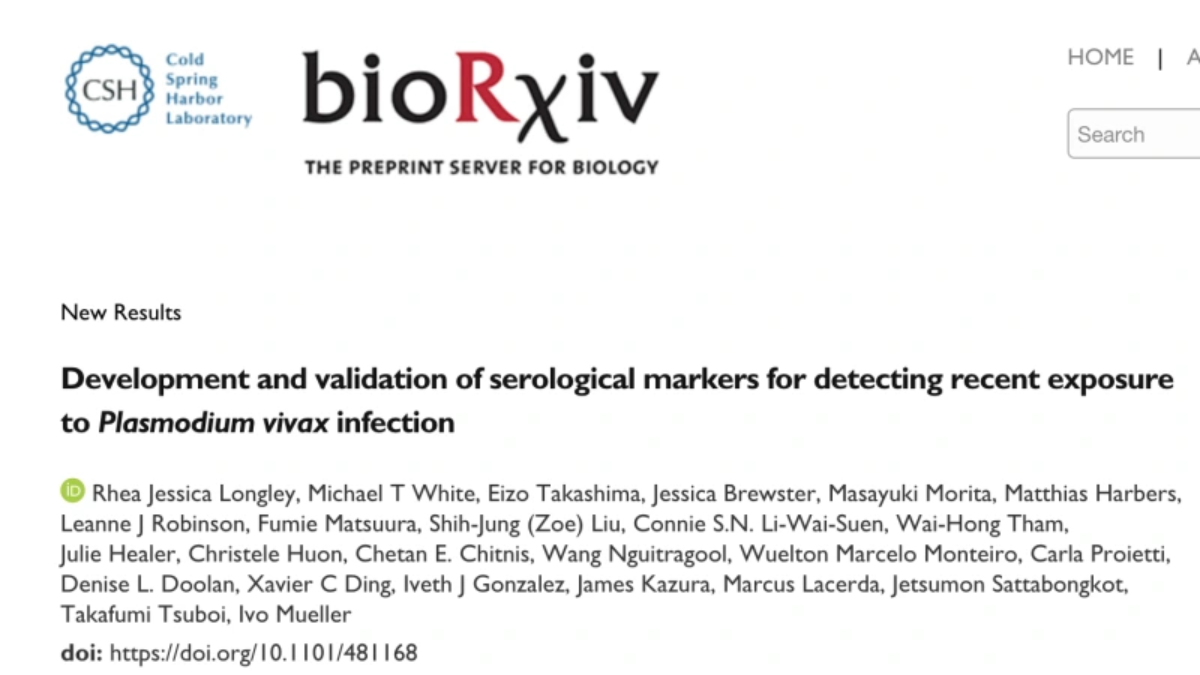
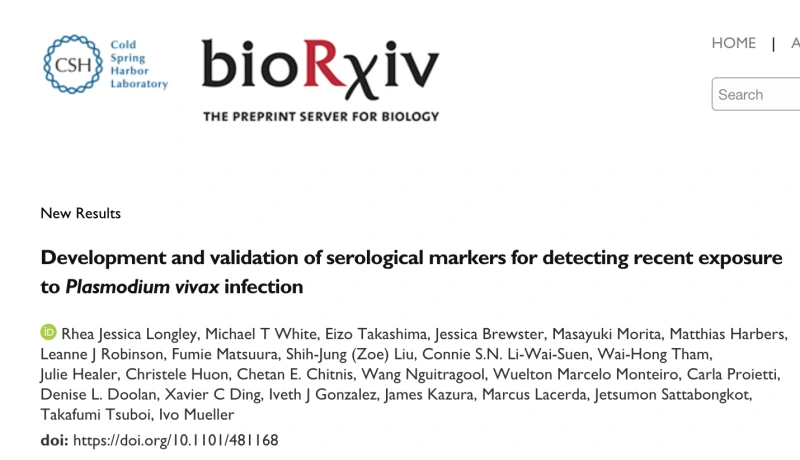
Preprint manuscript on #malaria #serology using antibodies as markers of recent exposure

Preprint manuscript on #malaria #serology using antibodies as markers of recent exposure

Please check out this preprint manuscript on BioRxiv

https://www.biorxiv.org/content/early/2018/11/30/481168

A major gap for malaria elimination toolkit for Plasmodium vivax malaria is the identification of individuals carrying arrested liver stages, called hypnozoites.

Frequently relapsing hypnozoites are key to P. vivax persistence. Whilst hypnozoites cannot be directly detected, individuals who have had recent exposure to P. vivax and have not been treated are likely to harbor these parasites.

By measuring IgG antibody responses to over 300 P. vivax proteins, a panel of serological markers capable of detecting exposure to P. vivax infections in the prior 9-month period was identified and validated. Using antibody responses to 8 P. vivax proteins, 80% sensitivity and specificity for detecting recent infections were achieved in three independent studies conducted in Thailand, Brazil and the Solomon Islands.

As these individuals have a high likelihood of harboring hypnozoites, the suite of these 8 antibody responses can serve as biomarkers for the identification of individuals who should be targeted for treatment with liver-stage drugs such as primaquine and tafenoquine in mass drug administration programs aimed at controlling and eliminating P. vivax malaria.

councilor_image

American Society of Tropical Medicine and Hygiene (ASTMH) new councilor

American Society of Tropical Medicine and Hygiene (ASTMH) new councilor

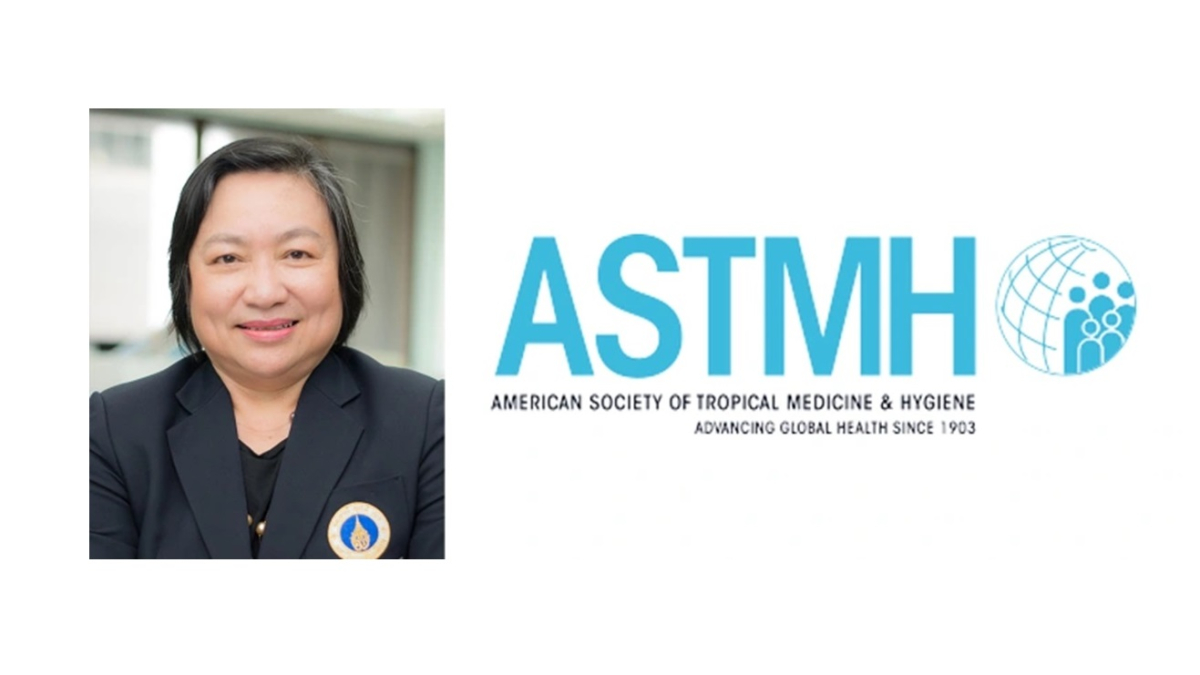
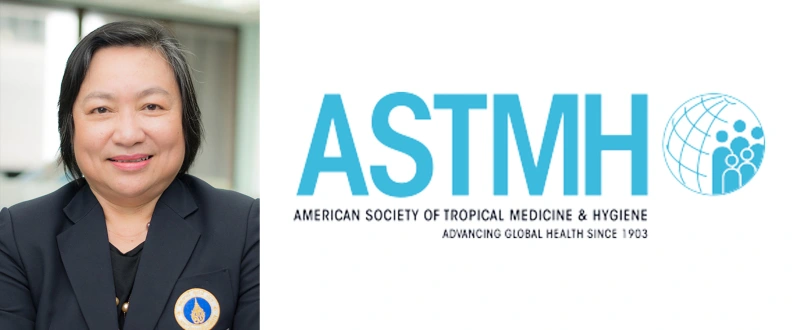
Patricia F. Walker, the President of ASTMH, welcomed two new councilors: Prof. David H. Hamer from Boston University, and Dr. Jetsumon Sattabongkot Prachumsri from MVRU, Faculty of Tropical Medicine, Mahidol University, in Bangkok.

Congratulations to Dr. Prachumsri for being elected as a new councilor of the ASTMH. She is the second international member who has been elected for this position. “The Society continues to welcome our international colleagues into the Council to expand our global perspective and leadership,” Dr. Walker said. “We are looking forward to the insights Dr. Prachumsri will provide in the coming year”

Dr. Prachumsri has maintained continuous ASTMH membership since 1996, when she received an ASTMH Travel Award. She has participated actively in the Annual Meeting almost every year in various activities i.e. sharing research findings, developing collaborative networks and interacting with experts and peers. Moreover, she’s steady supervise, contribute her expertise and support young researchers and students, not only from Thailand but also from other low- and middle-income countries, for attending this active and lively meeting.

As one of the council members, Dr. Prachumsri who builds her hand-on experiences by working on malaria elimination, vaccine development, multi-drug resistance, malaria transmission and biology will contribute her expertise to the ATMH society.

ICEMR_image

Phase II of ICEMR

Phase II of ICEMR

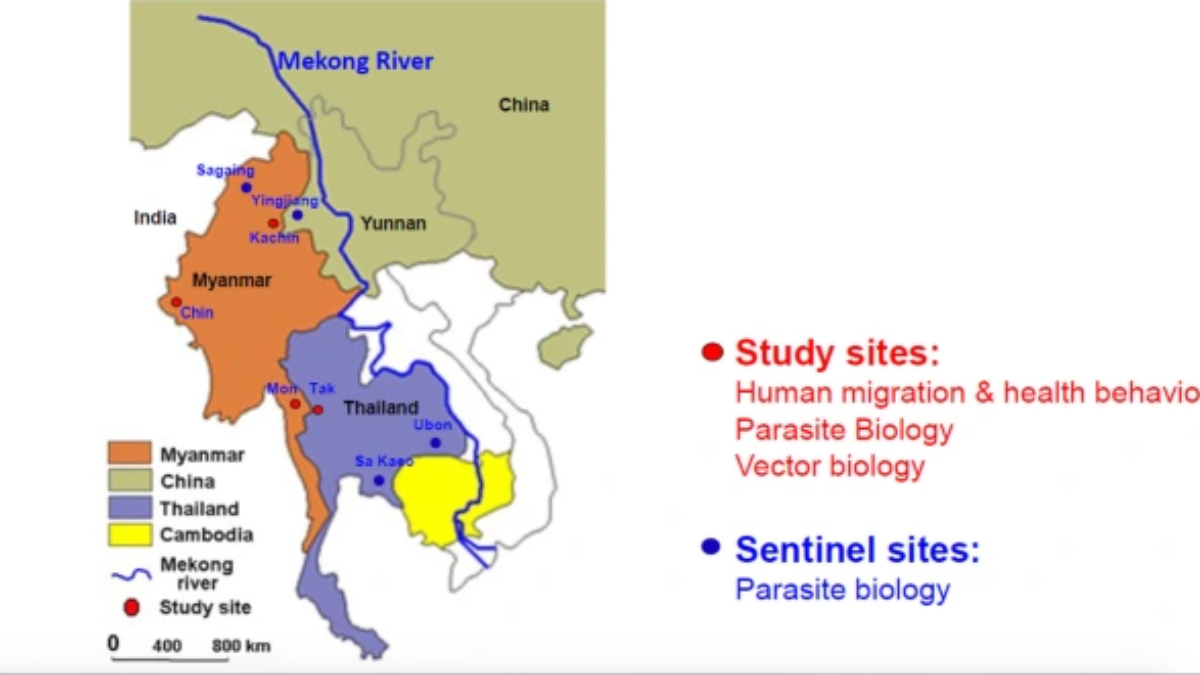
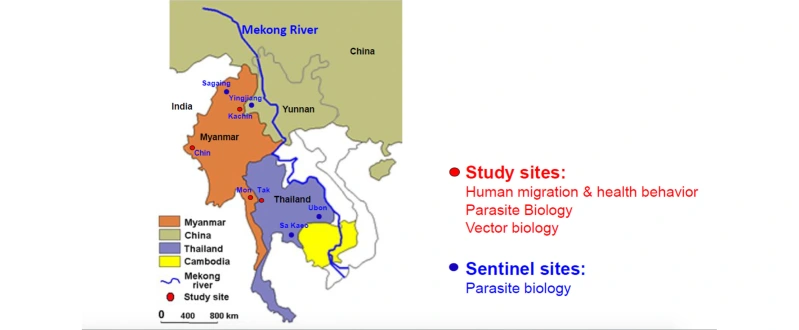
MVRU and team at the Faculty of Tropical Medicine have continued participating in “Phase II of the Southeast Asia ICMER” funded by NIAID/NIH, USA. The study is directed by Dr. Liwang Cui from Pennsylvania State University and co-directed by Dr. Jetsumon Sattabongkot Prachumsri. New data management system led by Dr. Jaranit Keawkunangwan and team from BIOPHICS will be used to combine and manage data from phase I and II.

The International Centers of Excellence for Malaria Research (ICEMR) program, created in July 2010, established a global network of independent research centers in malaria-endemic settings to provide knowledge, tools, and evidence-based strategies to support researchers working in a variety of settings.

The goal of the Southeast Asia ICEMR is to improve understanding of how mobile human populations, mosquito biology and parasite drug resistance contribute to continuous malaria transmission at international borders. The regional ICEMR will bring together diverse expertise from China, Myanmar, Thailand and the United States to address urgent problems that are relevant to both regional and global malaria control so that innovative control strategies can be developed.