
2569_4121530814119716692_n

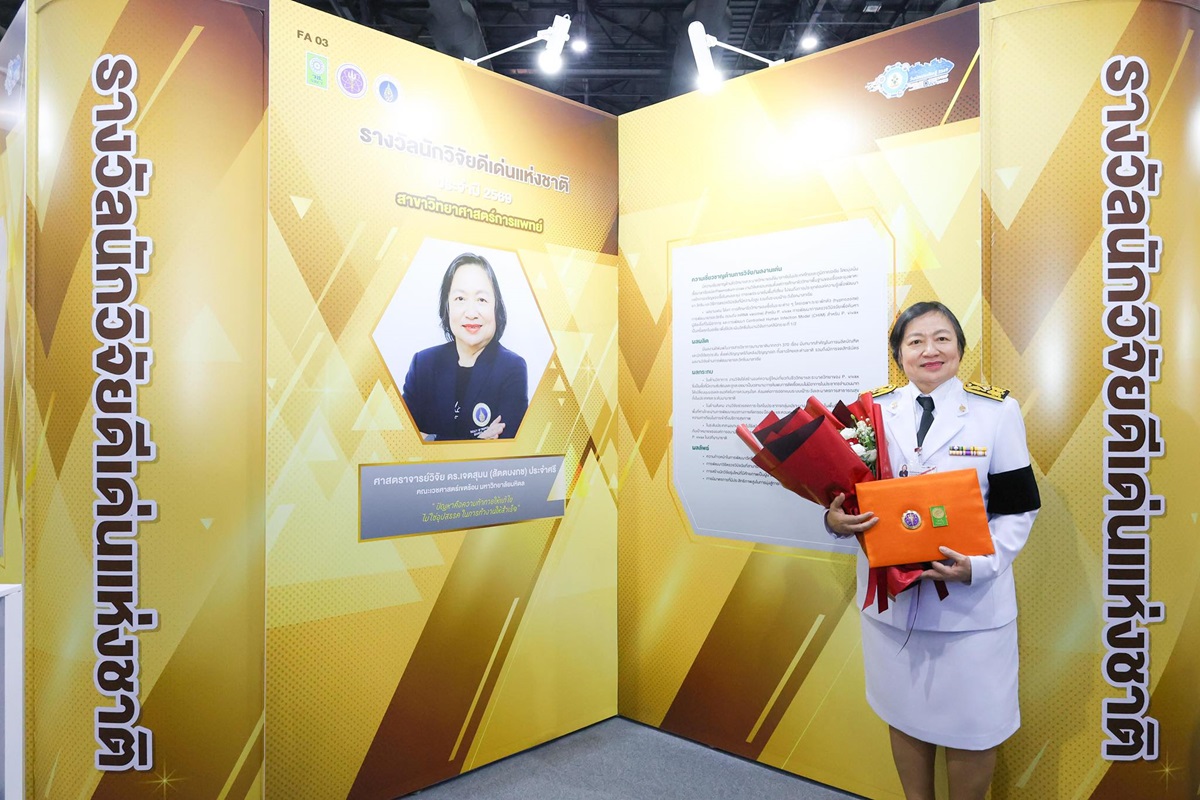
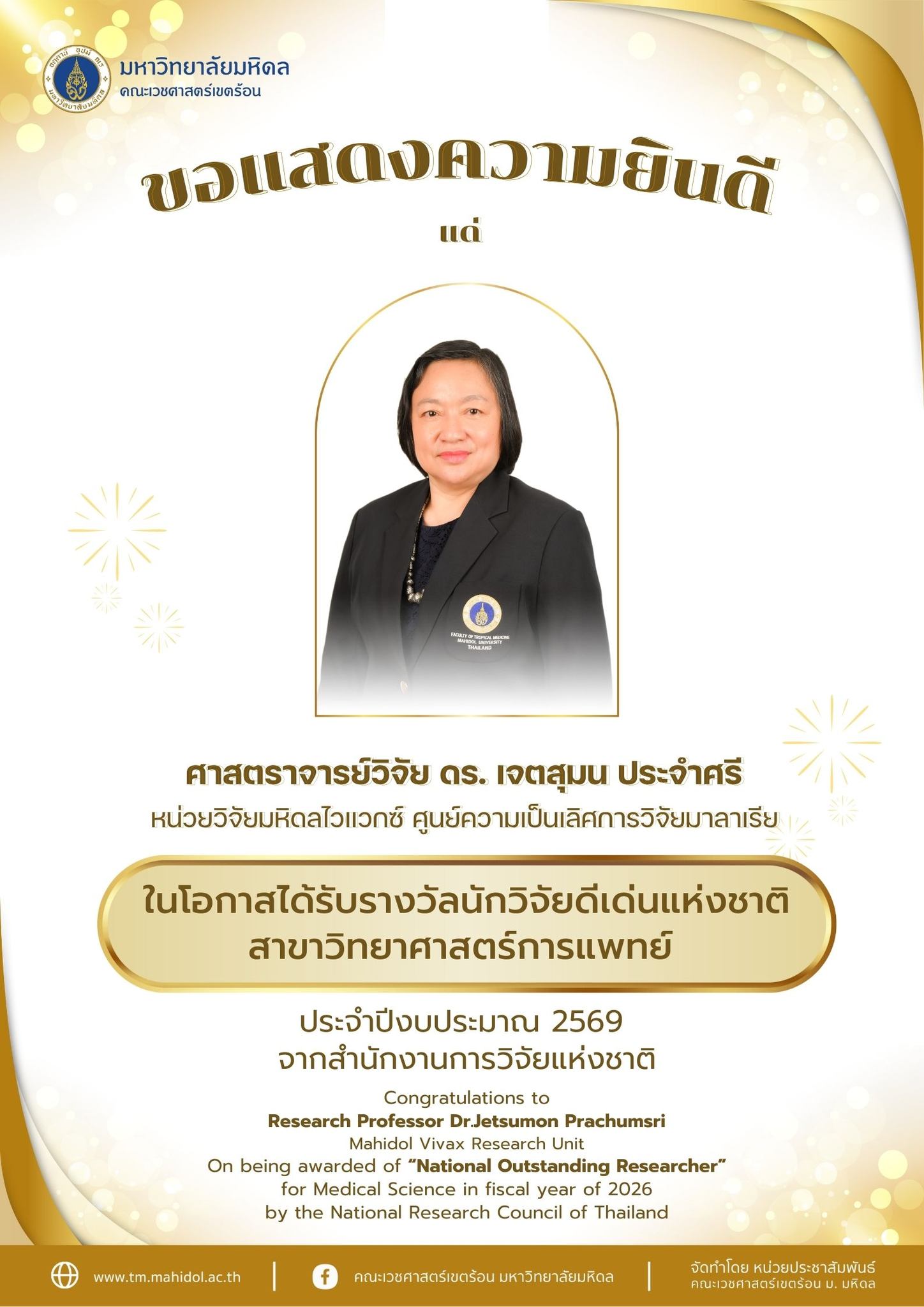
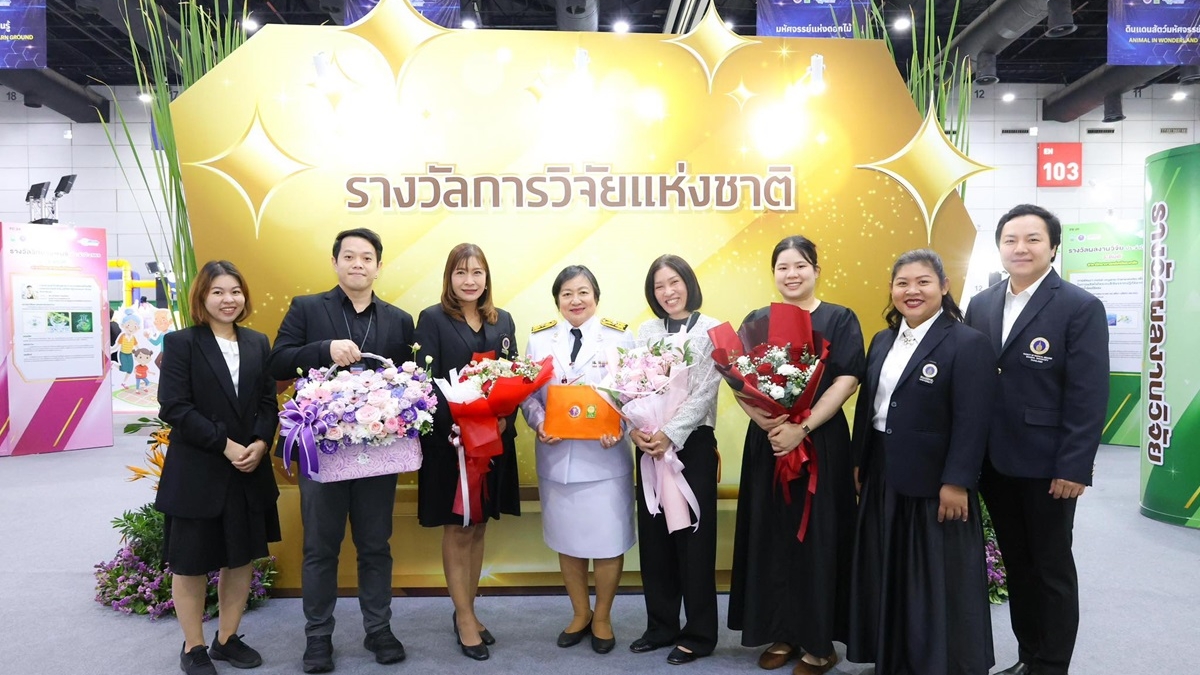
ศาสตราจารย์วิจัย ดร.เจตสุมน ประจำศรี รองคณบดีฝ่ายวิจัย คณะเวชศาสตร์เขตร้อน มหาวิทยาลัยมหิดล ได้รับรางวัล นักวิจัยดีเด่นแห่งชาติ สาขาวิทยาศาสตร์การแพทย์ ประจำปีงบประมาณ 2569

ศาสตราจารย์วิจัย ดร.เจตสุมน ประจำศรี รองคณบดีฝ่ายวิจัย คณะเวชศาสตร์เขตร้อน มหาวิทยาลัยมหิดล ได้รับรางวัล นักวิจัยดีเด่นแห่งชาติ สาขาวิทยาศาสตร์การแพทย์ ประจำปีงบประมาณ 2569

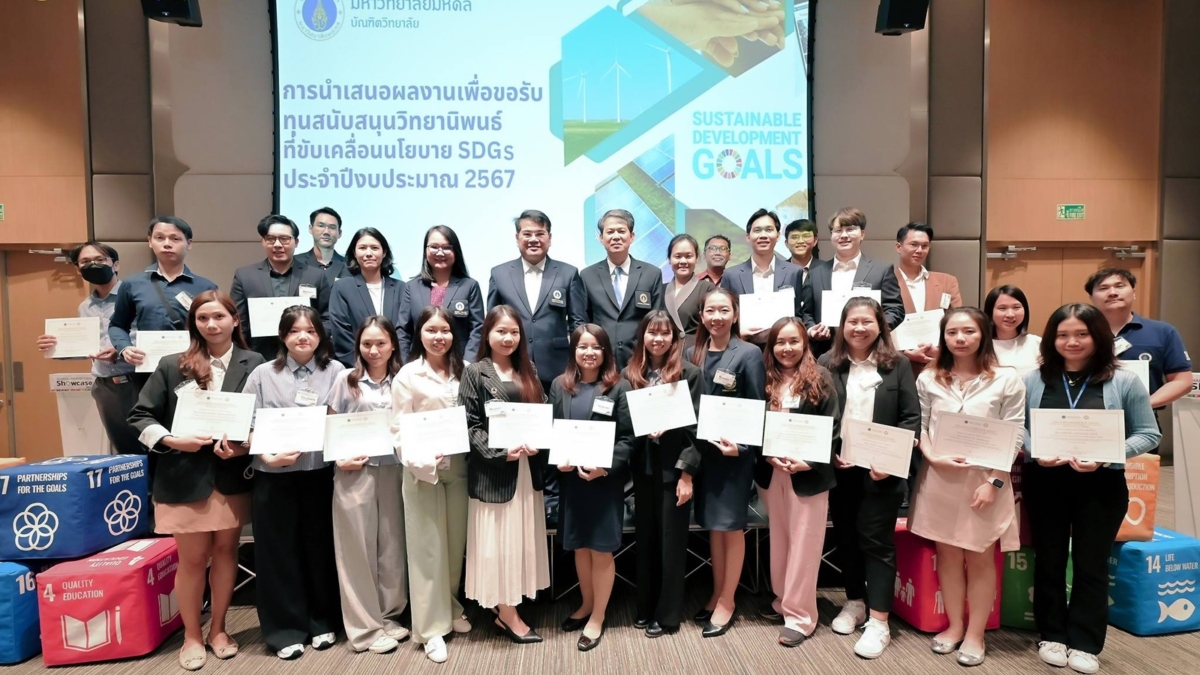
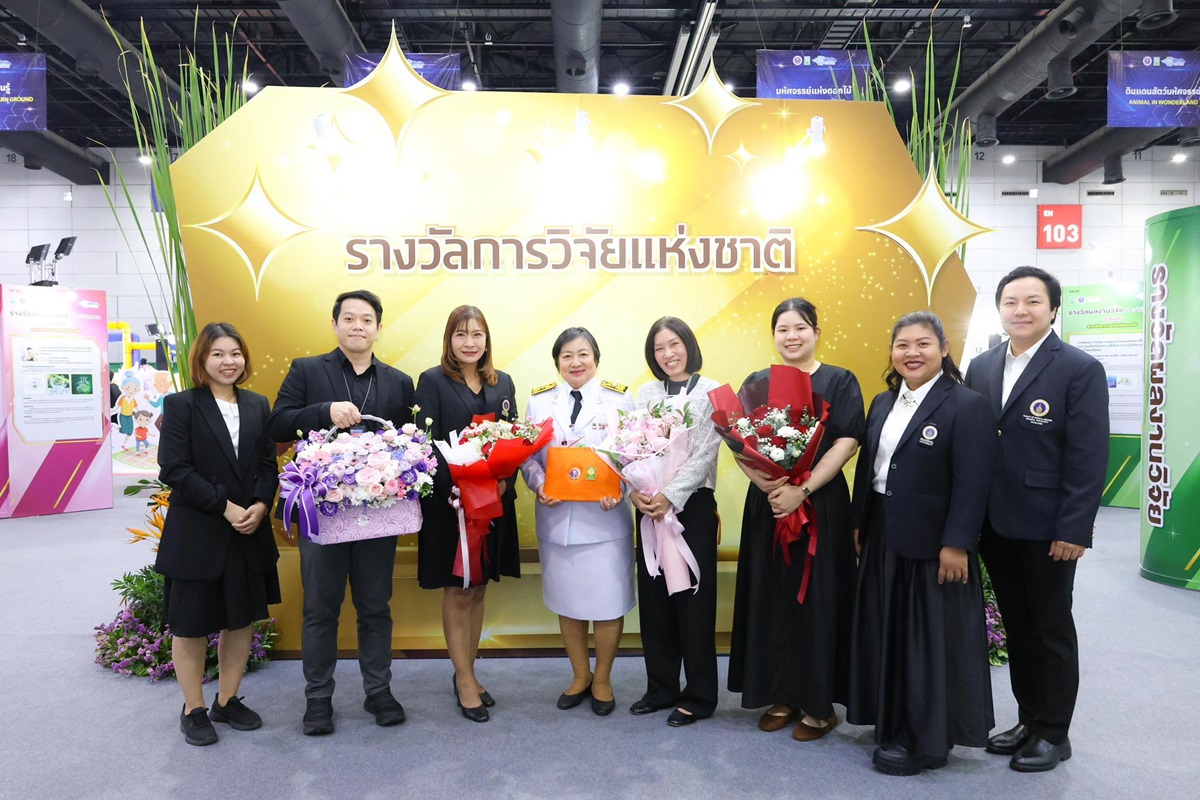
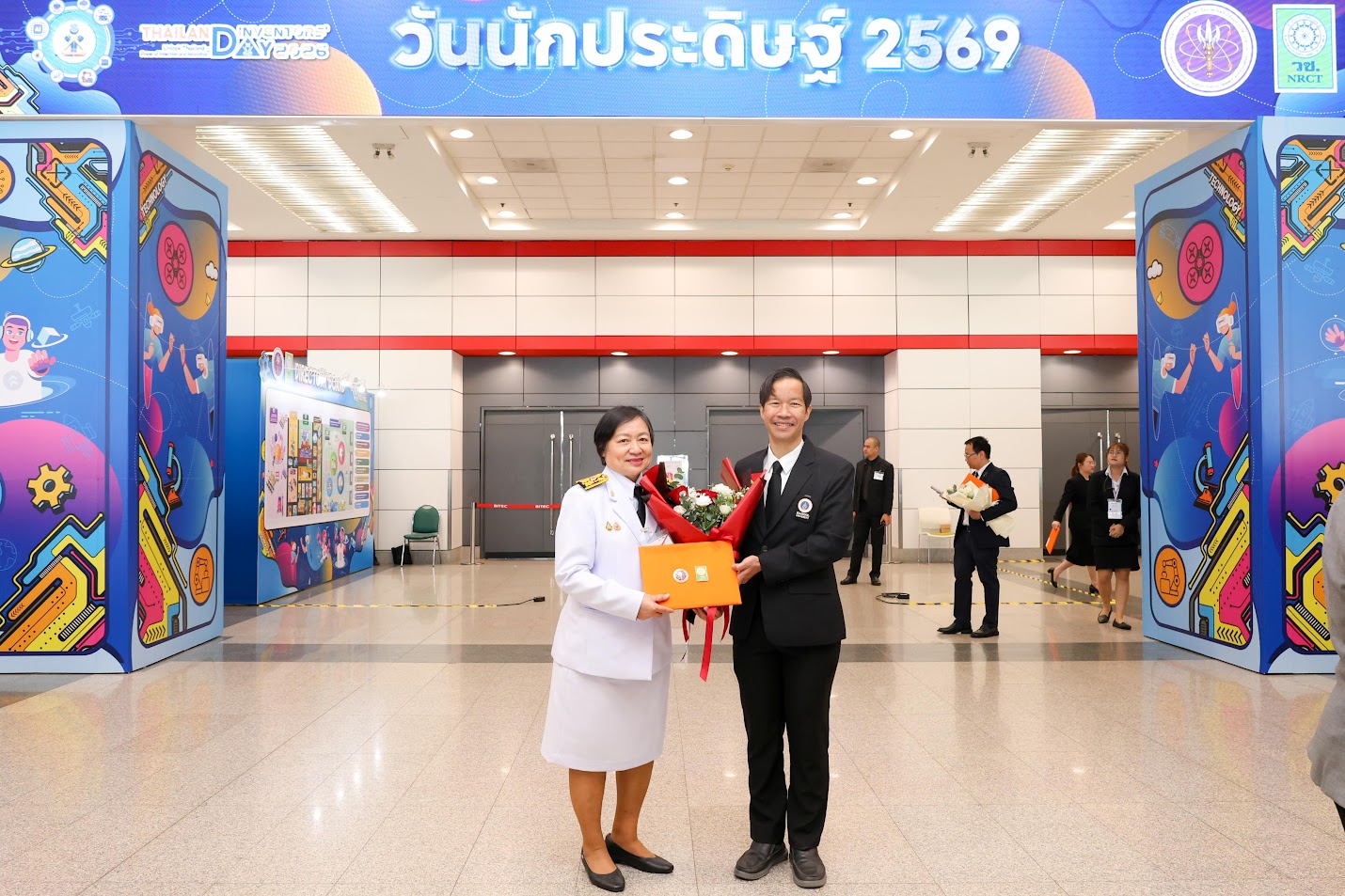
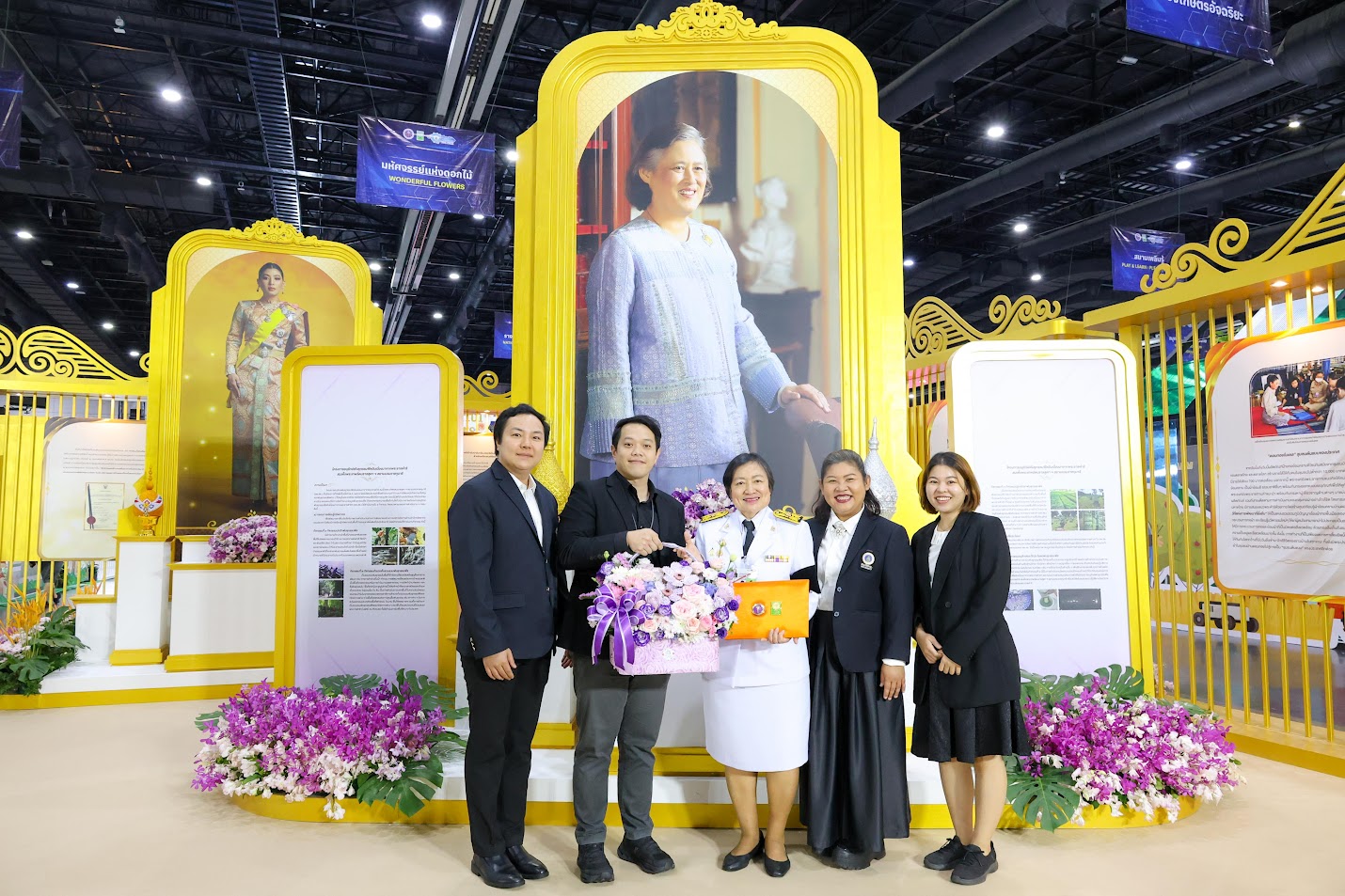
สมเด็จพระเจ้าลูกเธอ เจ้าฟ้าสิริวัณณวรี นารีรัตนราชกัญญา ทรงพระกรุณาโปรดให้ คุณรติรส จุลชาต เป็นผู้แทนพระองค์ เป็นประธานในพิธีเปิดงาน “วันนักประดิษฐ์” ประจำปี 2569 (Thailand Inventors’ Day 2026) และมอบรางวัลการวิจัยแห่งชาติแก่คณะนักวิจัยในสาขาต่าง ๆ ประจำปีงบประมาณ 2569 ซึ่งจัดโดย สำนักงานการวิจัยแห่งชาติ (วช.) กระทรวงการอุดมศึกษา วิทยาศาสตร์ วิจัยและนวัตกรรม เมื่อวันที่ 8 มกราคม 2569

ในโอกาสนี้ ศาสตราจารย์วิจัย ดร.เจตสุมน ประจำศรี รองคณบดีฝ่ายวิจัย คณะเวชศาสตร์เขตร้อน มหาวิทยาลัยมหิดล ได้รับรางวัล นักวิจัยดีเด่นแห่งชาติ สาขาวิทยาศาสตร์การแพทย์ ประจำปีงบประมาณ 2569 จากผลงานวิจัยที่มีคุณูปการอย่างโดดเด่นต่อวงการวิทยาศาสตร์การแพทย์ โดยมีผลงานตีพิมพ์ในวารสารวิชาการนานาชาติมากกว่า 370 เรื่อง อีกทั้งยังมีบทบาทสำคัญในการผลิตบัณฑิตและนักวิจัยทุกระดับอย่างต่อเนื่อง นอกจากนี้ ยังมีผลงานวิจัยที่ได้รับการจดสิทธิบัตรในด้านการพัฒนายาและวัคซีนป้องกันโรคมาลาเรีย

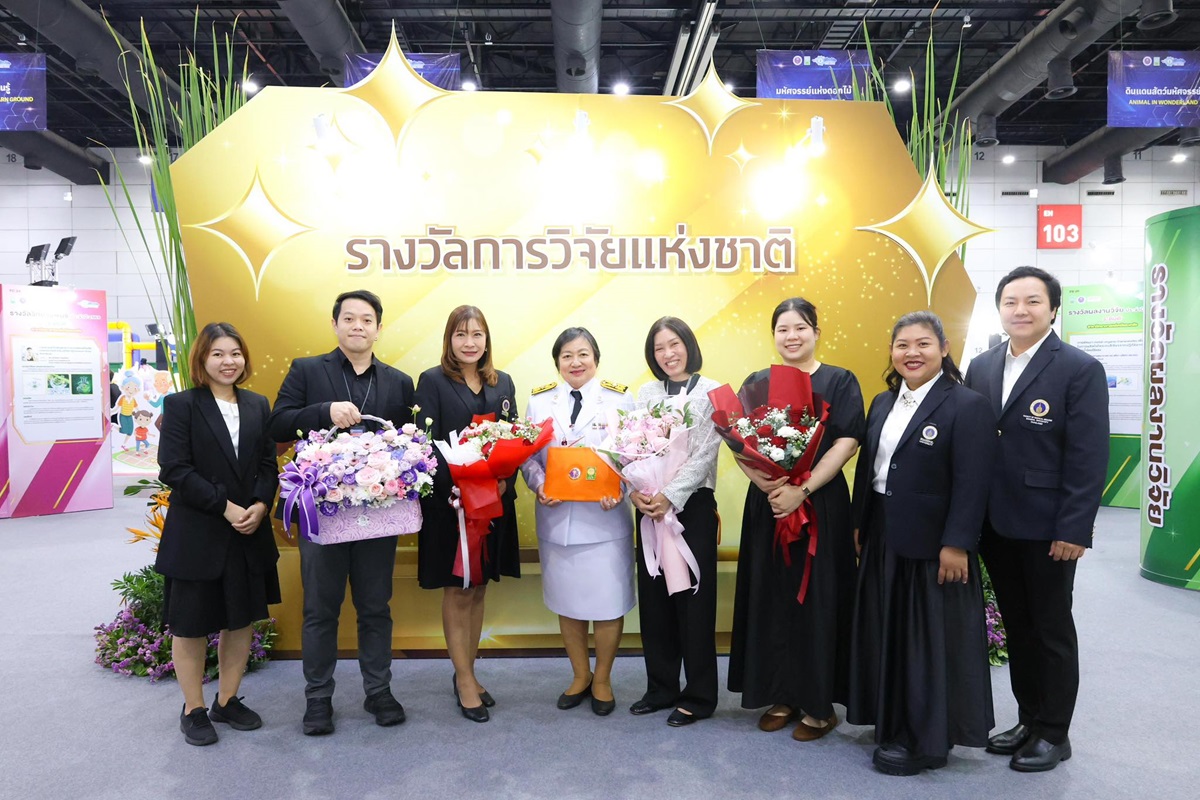
ทั้งนี้ ศาสตราจารย์ นายแพทย์ หม่อมหลวงชาครีย์ กิติยากร รองอธิการบดีฝ่ายวิจัย มหาวิทยาลัยมหิดล รองศาสตราจารย์ ดร.พรสวรรค์ เหลืองวุฒิวงษ์ รองคณบดีฝ่ายมาตรฐานการวิจัย คณะเวชศาสตร์เขตร้อน พร้อมด้วย คณาจารย์ นักวิจัย และบุคลากร ได้ร่วมแสดงความยินดีที่ได้รับรางวัลในโอกาสดังกล่าว ณ Event Hall 103 ศูนย์นิทรรศการและการประชุมไบเทค บางนา กรุงเทพมหานคร

(ปิดรับสมัคร)รับสมัครพนักงานมหาวิทยาลัย ตำแหน่งนักวิจัย/นักปฏิบัติการวิจัย

คณะเวชศาสตร์เขตร้อน มหาวิทยาลัย มีความประสงค์จะรับสมัครคัดเลือกเพื่อบรรจุเป็นพนักงานมหาวิทยาลัย ตำแหน่ง ผู้ช่วยนักวิจัย/นักปฏิบัติการวิจัย สังกัดวิจัยมหิดลไวแวกช์ ศูนย์การวิจัยมาลาเรีย จำนวน 1 อัตรา

(ปิดรับสมัคร)รับสมัครพนักงานมหาวิทยาลัย ตำแหน่งนักวิจัย ระดับ 1

คณะเวชศาสตร์เขตร้อน มหาวิทยาลัย มีความประสงค์จะรับสมัครคัดเลือกเพื่อบรรจุเป็นพนักงานมหาวิทยาลัย ตำแหน่ง นักวิจัย ระดับ 1สังกัดหน่วยวิจัยมหิดลไวแวกซ์ ศูนย์การวิจัยมาลาเรียจำนวน 1 อัตรา

(ปิดรับสมัคร)Principle Investigator for Immunology (Researcher)

Research_are_transmission

Malaria Transmission

Malaria transmission; MVRU research on transmission of malaria is aimed to improve our understanding of how mobile human, populations, parasite drug resistance, and mosquito biology contribute to continuous malaria transmission at international borders so that innovative control strategies can be developed to support regional malaria elimination

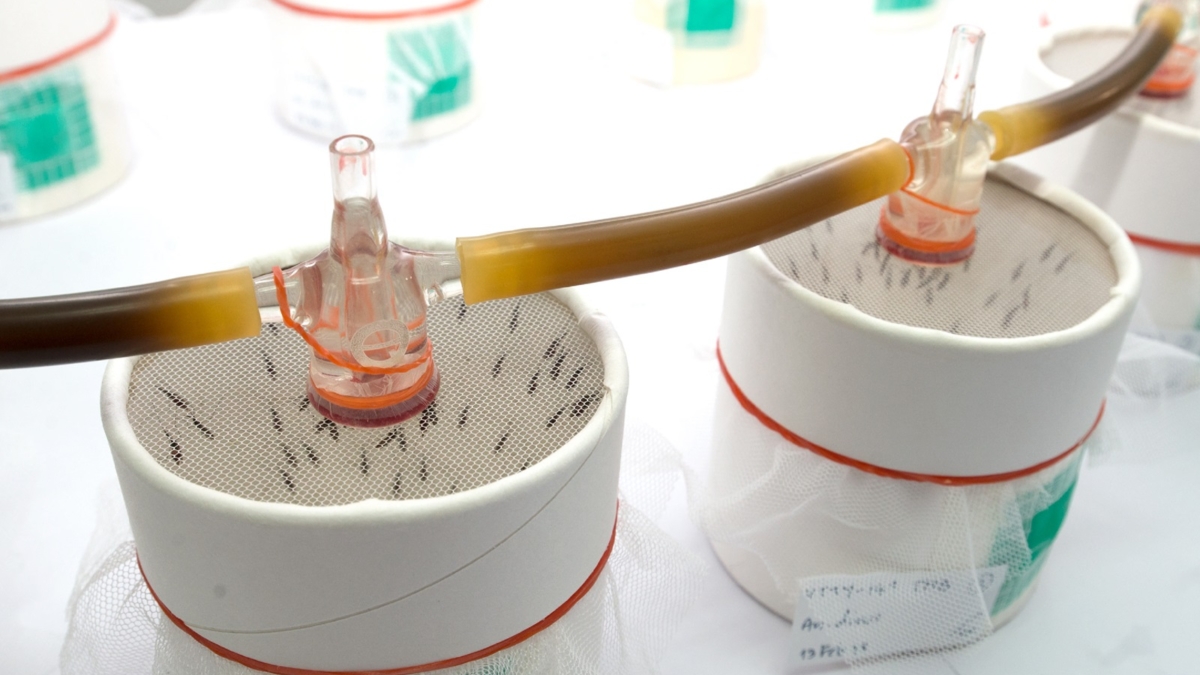
Characterization of Plasmodium vivax gametocyte and its association with mosquito infectivity


Topic of research

International Laboratory Installation and Collaborative Research on Neglected Tropical and Vector-borne Diseases.

Outcome

Characterization of gametocyte development will lead to the discovery of the gametocyte markers which relate to the transmission of the parasite to mosquito. These markers can be used to determine the level of contribution to transmission of reservoir populations as well as to support the development of transmission blocking vaccines/drugs.

Key Information

  • Key MVRU Researchers:
  • Project Status:

    Past

  • Funded by:
    • National institute of Allergy and infectious diseases
    • Korean national institute of health
  • In collaboration with:
    • Liwang Cui, Professor, University of South Florida
    • Takafumi Tsuboi, Professor, Proteo-Science Center, Ehime University
    • Tomoko Ishino, Associate Professor, Proteo-Science Center, Ehime University
    • Motomi Torii, Professor, Proteo-Science Center, Ehime University
    • Eizo Takashima , Associate Professor, Proteo-Science Center, Ehime University

Development of Plasmodium vivax gametocyte and its association with mosquito infectivity


Topic of research

Support deep knowledge base research. Also promote and support new researchers to continue research and stepping into higher-level research work.

Outcome

The information on P. vivax gametocyte development will give a better understanding of gametocyte biology and their infectiveness to the mosquito, allowing future identification of novel candidates for transmission blocking vaccines/drugs.

Transcriptomes and Proteomes of Plasmodium vivax


Topic of research

Exploratory/Developmental research

Outcome

This study depict a comprehensive view of gene expression of P. vivax blood stage. Such information will help unravel the mechanism of sexual development which may lead to the discovery of new antimalarial drugs and transmission-blocking vaccine targets. This information will definitely fuel malaria elimination.

Key Information

  • Key MVRU Researchers:
  • Project Status:

    On-going

  • Funded by:
    • National institute of Allergy and infectious diseases
  • In collaboration with:
    • Liwang Cui, Professor, University of South Florida
research-spotlight-humanised_mice

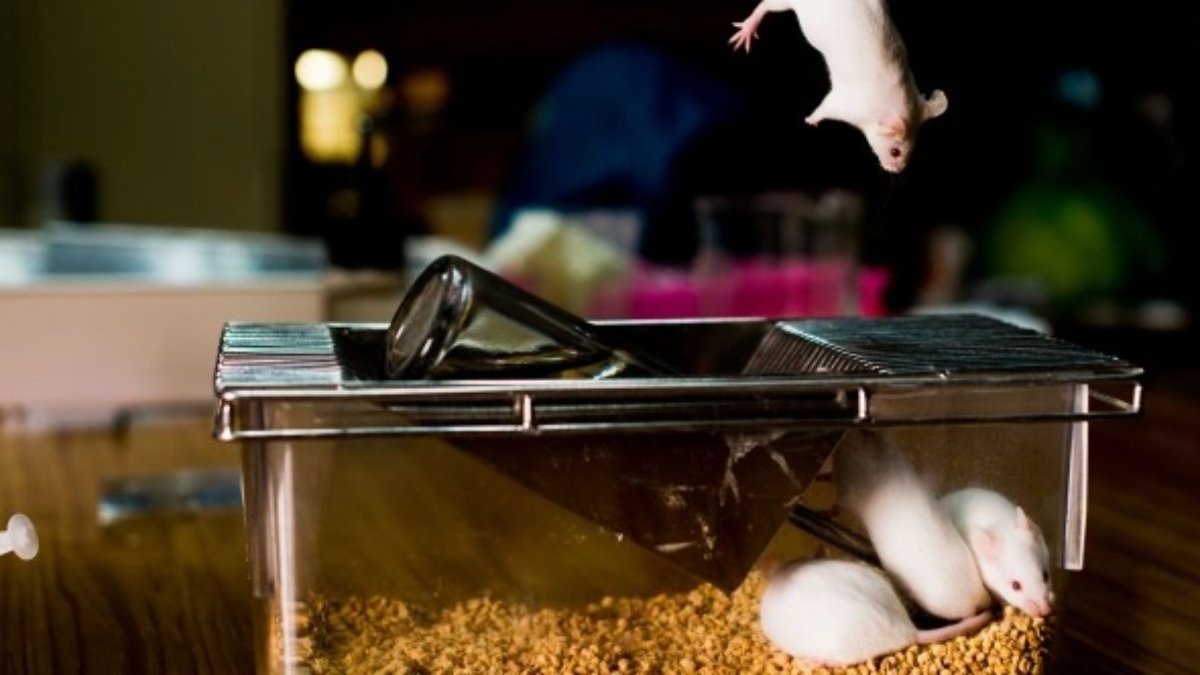
Using humanized mouse model for in vivo study of Plasmodium vivax

Using humanized mouse model for in vivo study of Plasmodium vivax

28th February, 2018, Dr. Wanlapa Roobsoong

To date, the unavailability of the in vitro continuous culture of P. vivax imposing major obstacle for the study of any stages of the life cycle of this parasite. The routine studies of P. vivax solely depend on the variable clinical isolates obtain directly from patients. Humanized mouse model engrafted with human hepatocytes has been successfully used to study the complete life cycle of P. falciparum. The use of humanized mouse model to study P. vivax would constitute a major breakthrough and revolutionized the way that this unique parasite can be studied in laboratory.

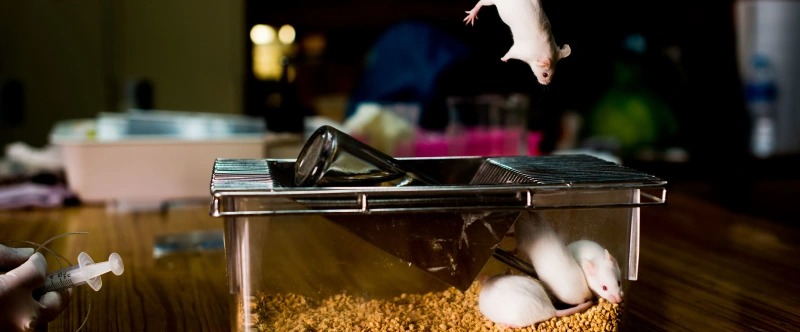
Both liver stage schizont and hypnozoite have been observed. Moreover reactivation of the hypnozoite has been observed. The in vivo study of P. vivax *using humanized mouse model engrafted with human hepatocyte is the research collaboration between MVRU and Dr. Sebastian from CIDR, and MVRU and Prof. Osamu Kaneko from Nagasaki university. There are 2 humanized mouse models that effectively used for in vivo study of *P. vivax at MVRU, FRG-NOD and PXB mice. Both models support liver stage development and liver-to-blood stage transition of P. vivax which revolutionized the way that this parasite can be studied in laboratory. By injecting P. vivax sporozoites through tail vein, they can invade and develop inside the engrafted human hepatocytes with both active and dormant forms (hypnozoite) have been observed. In addition, by injecting human young red blood cells to catch up free merozoites that released from the liver, tightly synchronized blood stage can be obtained. This has opened a wide opportunity to study in vivo drug and vaccine’s efficacy against liver stage and blood stage of P. vivax.

During malaria elimination era, multiple measures and stringent control strategies are needed in order to completely eliminate malaria. One of the big challenge to eradicate P. vivax is the hypnozoite (dormant form that stay in the liver) which can cause relapse at any time after clinical malaria episodes. The drug that target the hypnozoites would help to protect patients from relapse. Beside primaquine and tefenoquine, there is no new drugs available in the pipeline. The use of humanized mouse model to study P. vivax has constituted a major breakthrough and revolutionized the way to test drug and vaccine’s efficacy in laboratory.


Key Information

Funded by:

Gallery

LAMP_1

LAMP for Rapid Malaria Diagnosis

LAMP for Rapid Malaria Diagnosis

28th February, 2018,Assoc. Prof. Dr. Wang Nguitragool

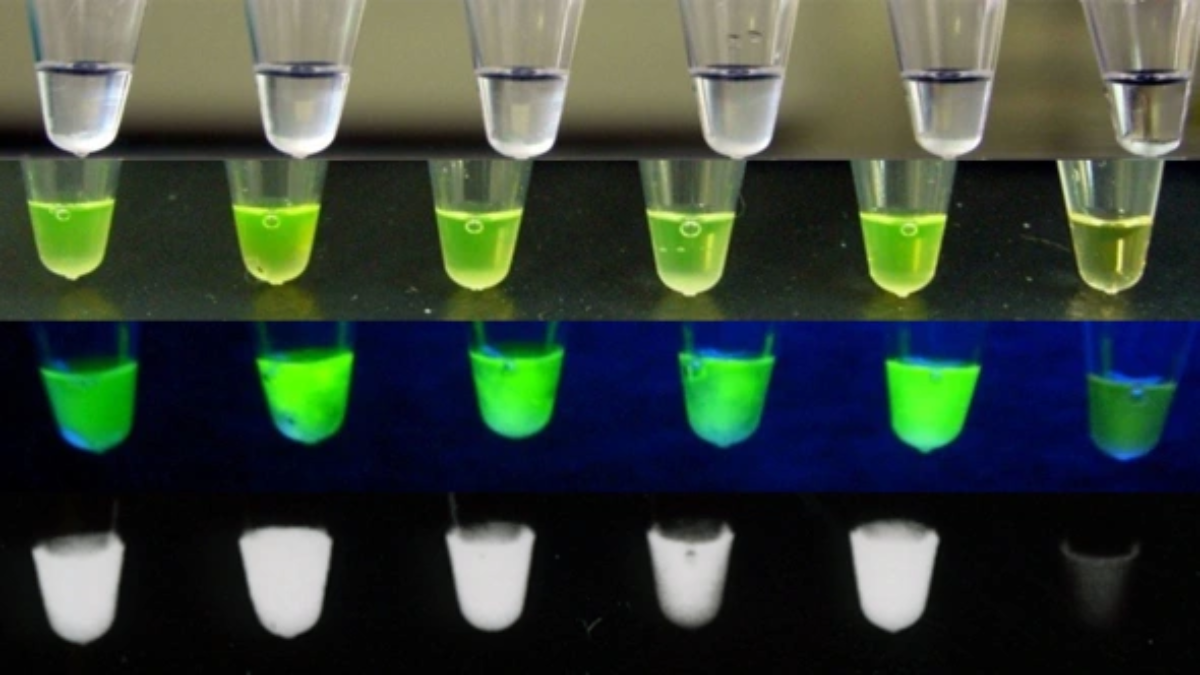
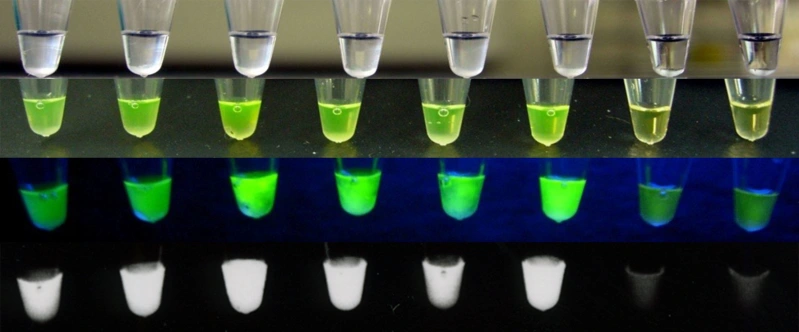
At MVRU, we have been working on new ways to diagnose malaria. We were one of the first research groups to apply Loop Mediate Isothermal Amplification (LAMP) to detect malaria parasites. This technology works by amplifying the target DNA molecule at a single temperature, thus requiring simple instrumentation while maintaining very high detection sensitivity comparable to PCR. Our LAMP assays were created in response to the need of quick and easy diagnosis in the remote sites in Thailand. Thousands of blood samples have been tested to validate the assays. All types of human malaria parasites can now be detected and differentiated. These tools have helped us find low-density asymptomatic malaria carriers in our study areas.

Our LAMP assays are simple. It can be performed with minimal staff training and equipment. All human malaria parasites are readily detected by our assays. The assays have been field evaluated in many places in Thailand and Korea. LAMP assays have revolutionalised malaria detection by enabling rapid, accurate and sensitive parasite diagnosis.

Publications:

Key Information

3_New 001

MOTIP Pitching Competition 2023

MOTIP Pitching Competition 2023

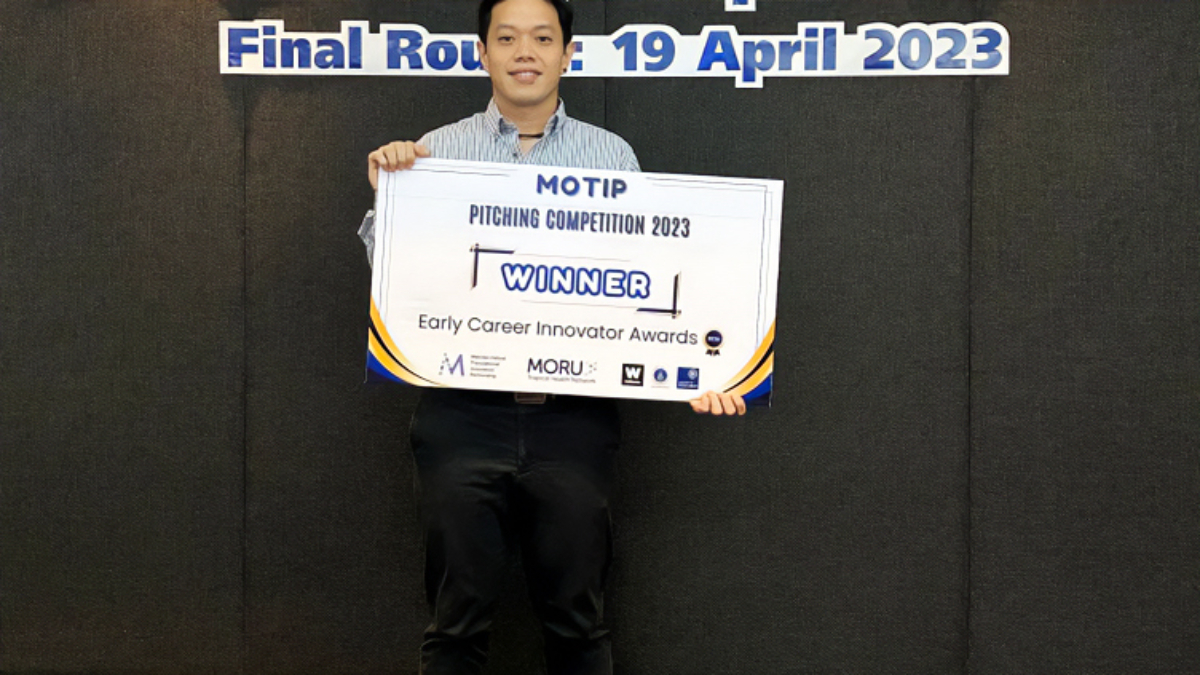
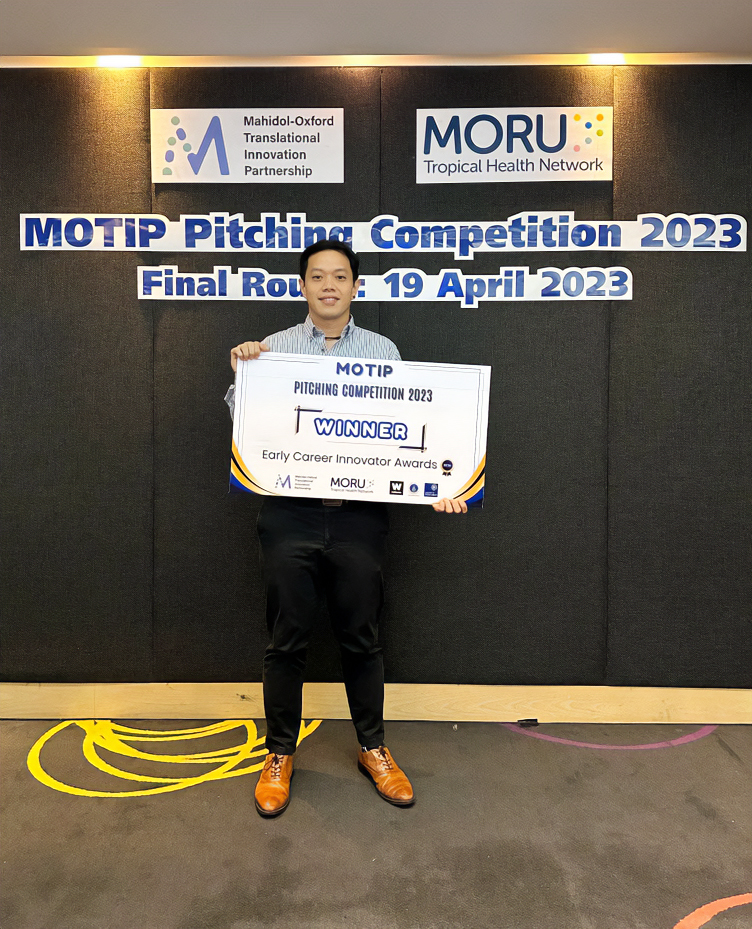
Congratulations to Dr.Sirasate Bantuchai for WINNER MOTIP Pitching Compettion 2023, Early Career Innovator Award, Mahidol-Oxford Translational Innovation Partership

This new fund is targeted to promising PhD students and Post-docs who need funding for pilot studies to evaluate the viability of their translational research ideas. The major aim of the grant is to foster creativity and to have researchers and scientists thinking about translational research potential from early on in their careers. They will be given a small funding award to cover the costs of the research to further explore their idea.