Zoe.jpg

Melbourne PhD student Zoe Liu visits Mahidol Vivax Research Unit, Bangkok

Melbourne PhD student Zoe Liu visits Mahidol Vivax Research Unit, Bangkok

November 1, 2018

By Zoe Liu

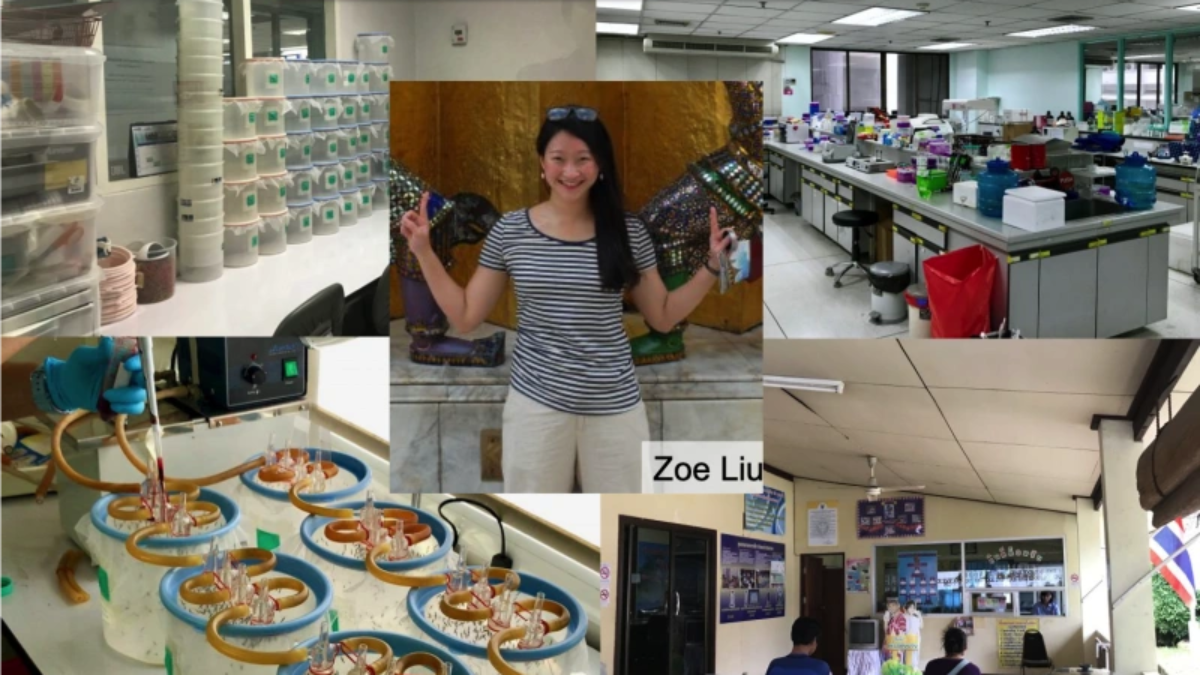
For every PhD student who studies population health, we dream of travelling to countries where our disease of interest is endemic, and I am no exception. I have been looking at naturally acquired antibody kinetics following a symptomatic Plasmodium vivax infection at WEHI in Melbourne for two years, and the human plasma samples I have been using are from Thailand. We are hoping that studying these humoral response profiles will allow us to learn more about the development of immune responses naturally induced by malaria parasites. Additionally, having spent almost three decades in malaria-eradicated countries, I had only learned what is like to live with the disease from textbook pictures and seminars given by researchers with fieldwork experiences. I had always felt like something was missing, until my supervisor Dr Rhea Longley mentioned to me about a travel scholarship opportunity.

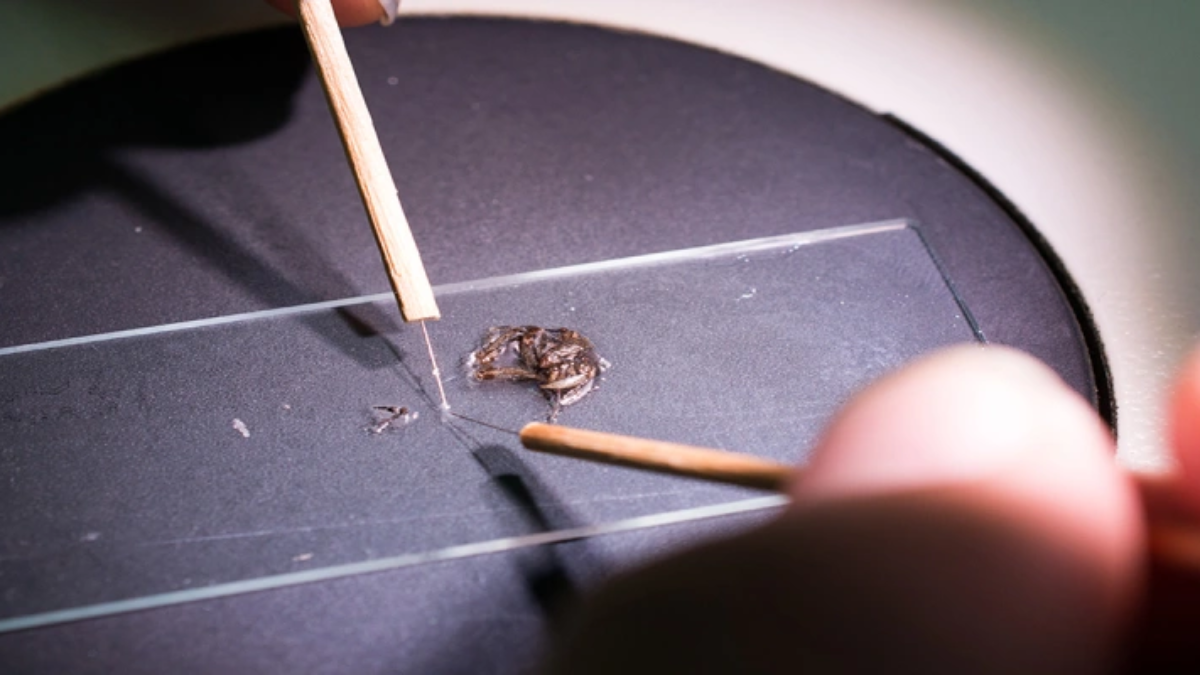
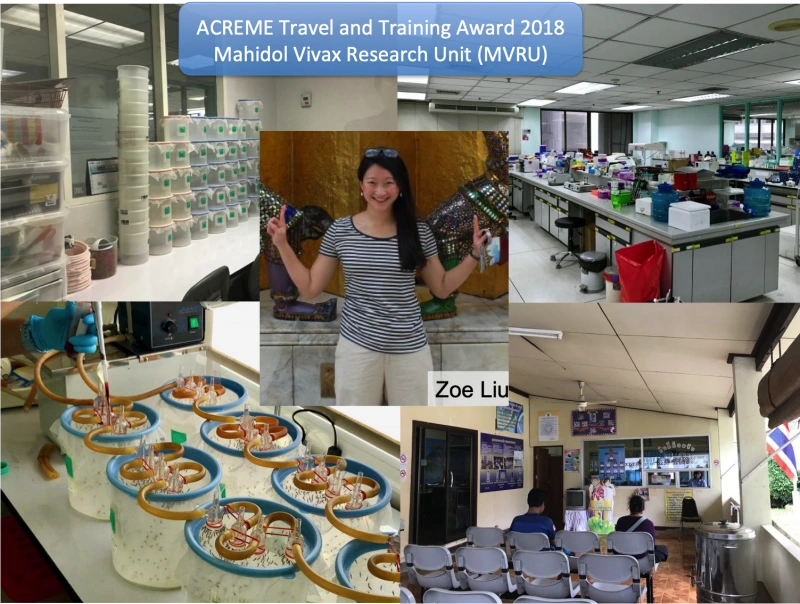
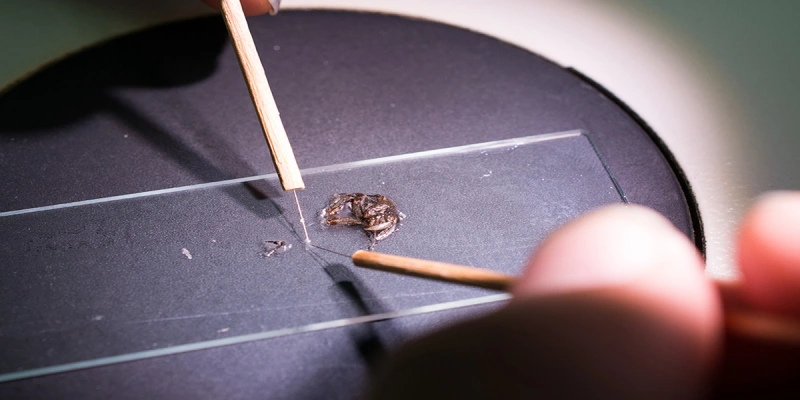
I was very fortunate to receive the Travel and Training Award from ACREME to spend two weeks in Thailand. For the first week I visited the Mahidol Vivax Research Unit at Mahidol University in Bangkok to measure antibody kinetics following asymptomatic P. vivax infections by accessing their archival plasma samples and Luminex platform. Dr Jetsumon Sattabongkot and her team were most helpful and friendly during my stay. They made sure I was well supplied and went the extra mile to show me their insectary room and explained how mosquitoes were grown and bred in detail.

For more details, please visit https://www.acreme.org.au/melbourne-phd-student-zoe-liu-visits-mahidol-vivax-research-unit-bangkok/

6_Special Pre-meeting event

Special Pre-meeting event: Case studies of Tropical Health

Special Pre-meeting event: Case studies of Tropical Health

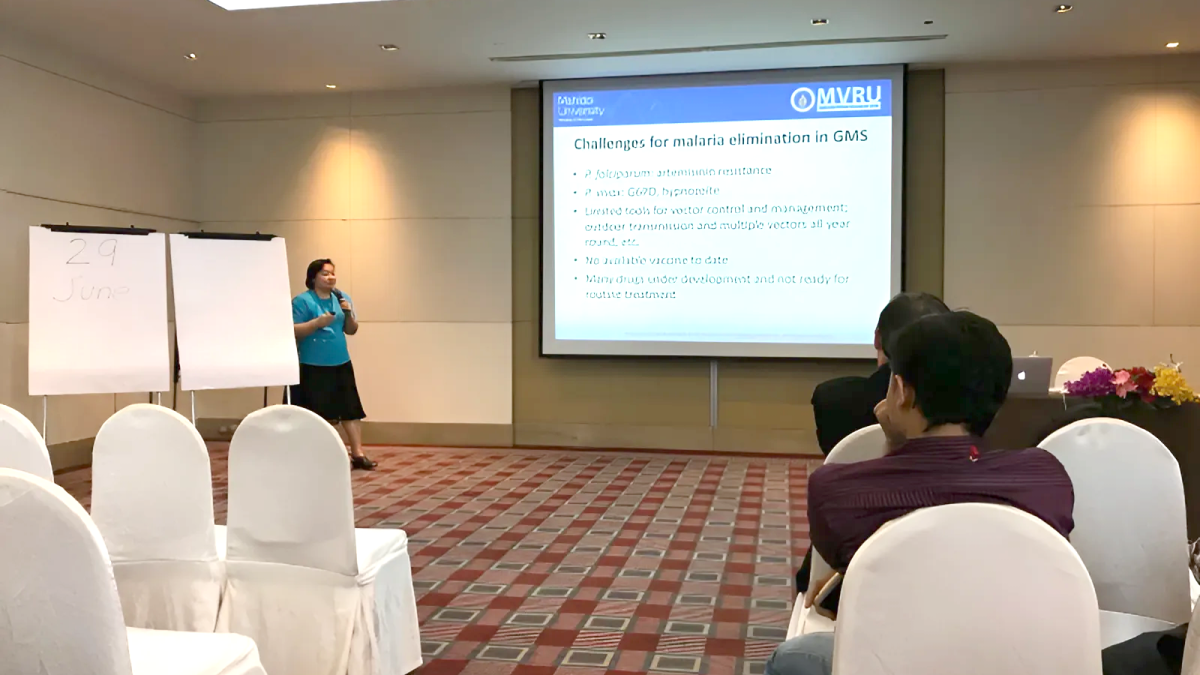
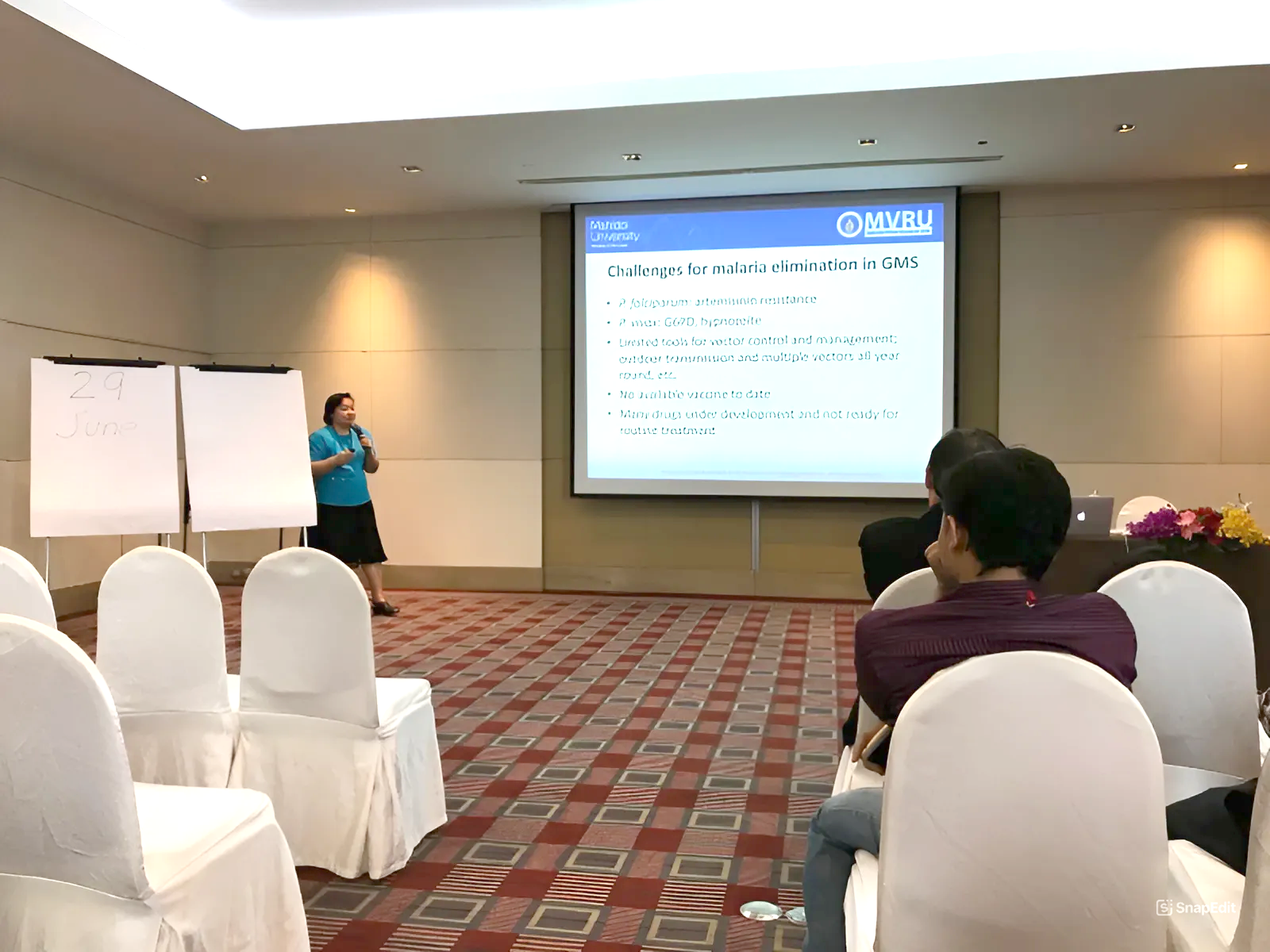
Dr. Jetsumon, director of MVRU, has a presentation on Cases studies of Tropical Health, Pre-meeting course for JITMM 2018 on the topic of Challenges for Malaria elimination in GMS at Amari water gate hotel.

This pre-meeting course is set up to update on case studies on Tropical health from each speakers including Dr. Jetsumon.

Dr. Jetsumon presents about background of malaria disease transmission with the life cycle of Plasmodium spp. and about topics as follow

  • Challenges for malaria elimination in GMS

    • P. falciparum: artemismin resistance
    • P. vivax: G6PD, hypnozoite
    • Lmited tools for vector control and management; outdoor transmission and multiple vectors all year round, etc.
    • No available vaccine to date
    • Many drugs under development and not ready for routine treatment
  • International network: APMEN (Asia Pacific Malaria Elimination Network)

    • Malaria-free, currently, Sri Lanka only
    • Malaria-eliminated by 2020, Bhutan China, Malaysia, South Korea
    • Transitioning towards malaria elimination (2025-2030), Bangladesh, Cambodia, Indonesia, Lao PDR, Myanmar, Phillippines, Solomon Islands, Thailand, Timor leste, Vanuatu, Vietnam
    • Malaria disease burden reduction (but targeting 2030), Afghanistan, India, Pakistan, PNG
  • Research to Policy

    • Many research groups in the GMS countries on drugs
    • Limited research on vectors and control as well as social sciences
    • Very few in depth social science study on knowledge of malaria in population at risk and community engagement to malaria elimination
    • How the research outcome can be used to accelerate the National Malaria Program in timely manner.

11 December 2018

Screen_Shot_2561-12-04_at_15.07.45

Preprint manuscript on #malaria #serology using antibodies as markers of recent exposure

Preprint manuscript on #malaria #serology using antibodies as markers of recent exposure

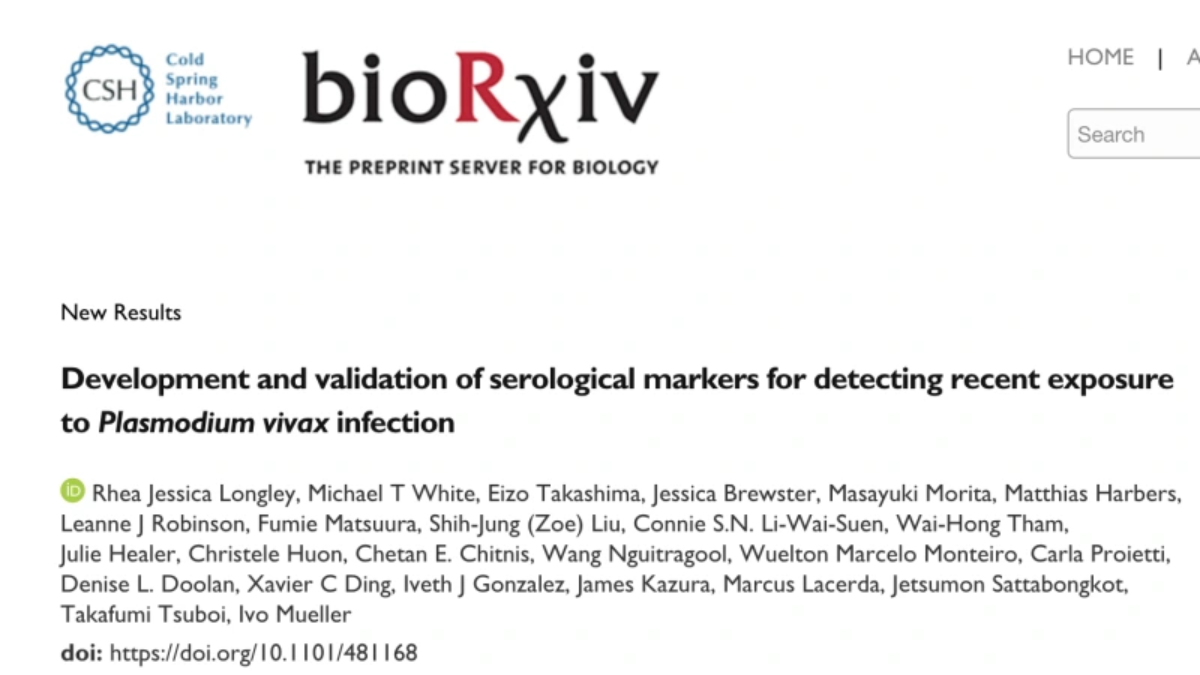
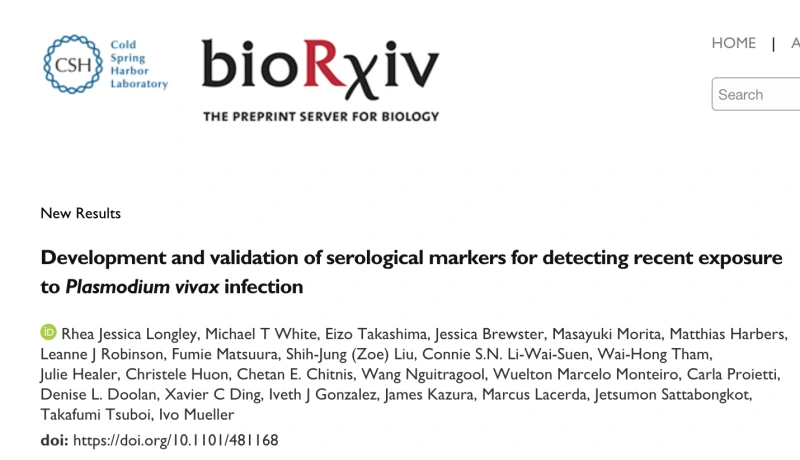
Please check out this preprint manuscript on BioRxiv

https://www.biorxiv.org/content/early/2018/11/30/481168

A major gap for malaria elimination toolkit for Plasmodium vivax malaria is the identification of individuals carrying arrested liver stages, called hypnozoites.

Frequently relapsing hypnozoites are key to P. vivax persistence. Whilst hypnozoites cannot be directly detected, individuals who have had recent exposure to P. vivax and have not been treated are likely to harbor these parasites.

By measuring IgG antibody responses to over 300 P. vivax proteins, a panel of serological markers capable of detecting exposure to P. vivax infections in the prior 9-month period was identified and validated. Using antibody responses to 8 P. vivax proteins, 80% sensitivity and specificity for detecting recent infections were achieved in three independent studies conducted in Thailand, Brazil and the Solomon Islands.

As these individuals have a high likelihood of harboring hypnozoites, the suite of these 8 antibody responses can serve as biomarkers for the identification of individuals who should be targeted for treatment with liver-stage drugs such as primaquine and tafenoquine in mass drug administration programs aimed at controlling and eliminating P. vivax malaria.

opinion

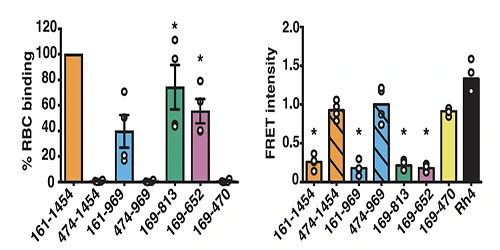
Transferrin receptor 1 is a reticulocyte-specific receptor for Plasmodium vivax

Transferrin receptor 1 is a reticulocyte-specific receptor for Plasmodium vivax

malaria_track_to_end_malaria

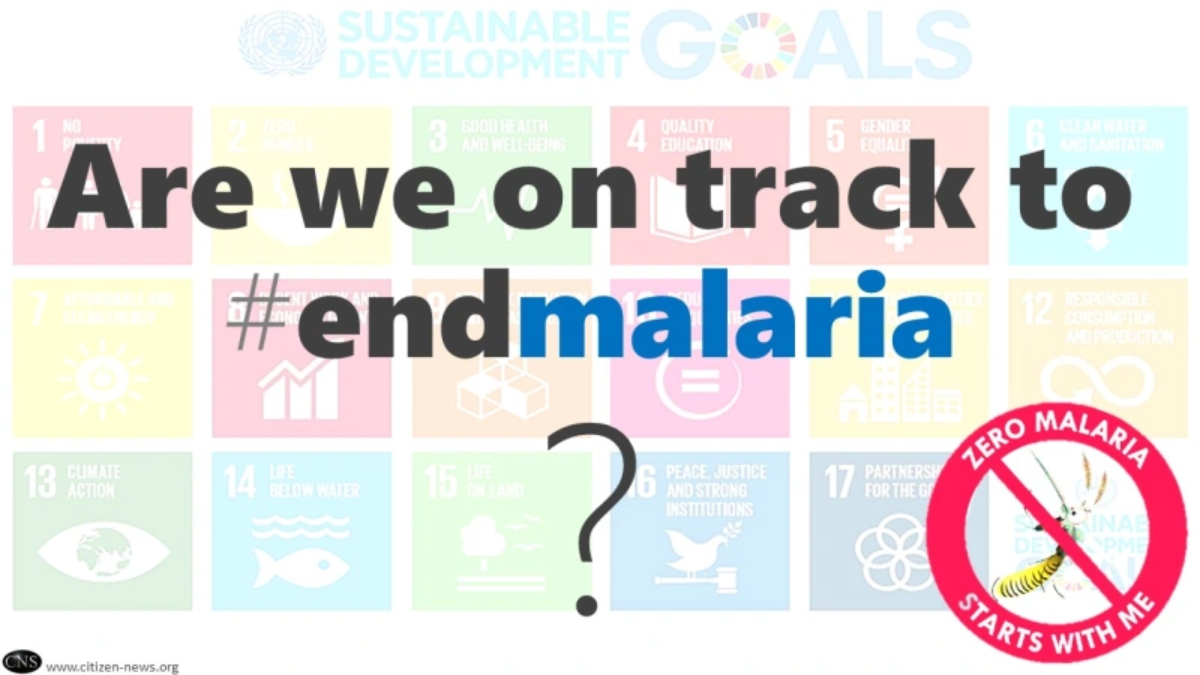
Are we on track to #endmalaria?

Are we on track to #endmalaria?

Malaria testing and treatment is free for all the people in Thailand including those who are not Thai nationals. Migrant workers that come to Thailand, are normally covered by Thailand’s disease control programme and they get access to malaria clinics. But Shreehari Acharya, Project Manager, Regional Malaria CSO Platform sees the difficulty about access because, “Although the services are free, all mobile migrant populations may not necessarily be able to access them.”

Acharya added “In some malaria high risk border areas there is no internet access, no mobile network, and/or no public transport, making access to health services more difficult. Another barrier to healthcare is faced by those mobile migrant populations who have a language barrier and/or do not have legal documents. They are still not comfortable to go alone to a health facility. They need someone whom they can trust, and who speaks their language, to accompany them. Government health facilities are, at times, understaffed. Hence government staff may not be available to accompany civil society to go to the forests or farms and provide health services to high risk populations.”

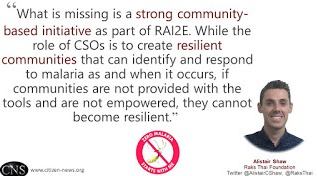
However, as Thailand moves towards malaria elimination, Dr Jetsumon Sattabongkot Prachumsri, said: “As malaria cases decline, people’s awareness also declines, especially in areas that were malaria endemic in the past. For example, Kanchanaburi province, used to be malaria endemic with malaria in every district, but now it has very few (less than 30-40) cases and that too not in every district. Youngsters born in a district that now has no more malaria cases do not know about malaria. But the older people might still carry the malaria parasite asymptomatically inside them and be the reservoir of malaria transmission. We cannot let down our guards, otherwise re-emergence could happen.”

“We need to see greater collaboration to improve surveillance, especially along the border sites. As countries are implementing malaria programme with an elimination approach, surveillance becomes more important to prevent re-emergence. We also need more clarity on roles civil society can play in malaria surveillance” added Shreehari Acharya.

Messages on #WorldMalariaDay 2019

Dr Jetsumon Sattabongkot Prachumsri said: “Malaria elimination is possible, if we raise awareness of all the people. Everyone needs to understand that malaria is transmitted by the vector and that some of the people may not have any external symptoms but can still harbour the parasite in their bodies and can transmit malaria. Everyone, especially those living in malaria endemic areas, must be aware and protect themselves from mosquito bite.”

Shreehari Acharya said: “We need to make all malaria and other essential services available as near as possible to the community. Also I think community at the village level is best placed to effectively provide these services, as civil society volunteers or someone trained in the community shuld be able to test and treat malaria unless medical attention is indicated (like malaria in pregnancy or other severe cases require medical care). Government needs to acknowledge the role of civil society in efforts to eliminate malaria. If we look across the region, civil society is playing a pivotal role in partnering with the government in malaria control. We will like to ensure that civil society/ community volunteers are well equipped, trained and have sufficient incentives.”

Shobha Shukla and Bobby Ramakant, CNS (Citizen News Service) 23 April 2019

https://www.citizen-news.org/2019/04/real-talk-are-we-on-track-to-endmalaria.html

Pvi__1_

To Culture a Parasite

To Culture a Parasite

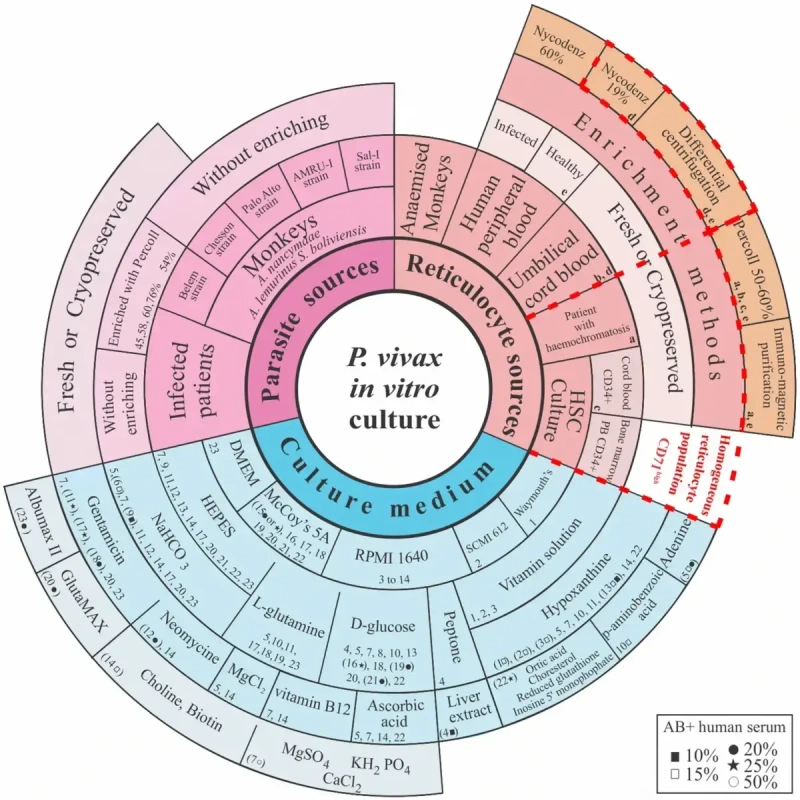
As a biomedical science graduate who has been training at MVRU for just under a month, I’d say that there is hardly a parasite more interesting than P. vivax. To me, what is so attractive about this parasite is not what we know about it, but what we do not. Our knowledge gap is both wide and deep, and one of the factors that hamper our efforts to mitigate this gap, is the fact that we cannot culture this little critter (yet).

To culture a parasite, one must provide for the parasite a specific environmental condition that fools the parasite into thinking that it has infected a host (for example; human large roundworm cultures) or if this “deception” should fail –for any reason- then the only other option would be to provide the preferred host cells to the parasite culture. This sounds straightforward and in a lot of cases it certainly is (for example; providing mature erythrocytes to a Plasmodium falciparum culture) but in some cases one encounters difficulties in the only option available. This is indeed the case with culturing Plasmodium vivax.

The problem with culturing blood-stage P. vivax stems from its’ preferred type of red blood cell, the reticulocyte. Reticulocytes are immature red blood cells that constitute 0.5% to 2.5% of all red blood cells in adults at any given time. The low percentage of reticulocytes in circulation brings along a host of problems such as; drawing impractical amounts of blood and finding an efficient method of isolating/concentrating reticulocytes.

Even if one possesses a sufficiently large reserve of reticulocytes, it doesn’t mean that the parasite will propagate indefinitely. In fact, scientists have found that after culturing P. vivax for a certain amount of time the parasite gradually loses its ability to invade target cells. The reason why this happens is unclear (Bermudez et al. 2018). However, just because we are unable to continuously culture P.vivax long-term doesn’t mean that we should abandon P. vivax culture systems altogether. On the contrary, there are still useful things we can do with time-constrained culture systems such as single-cycle schizogony, and reticulocyte invasion assays.

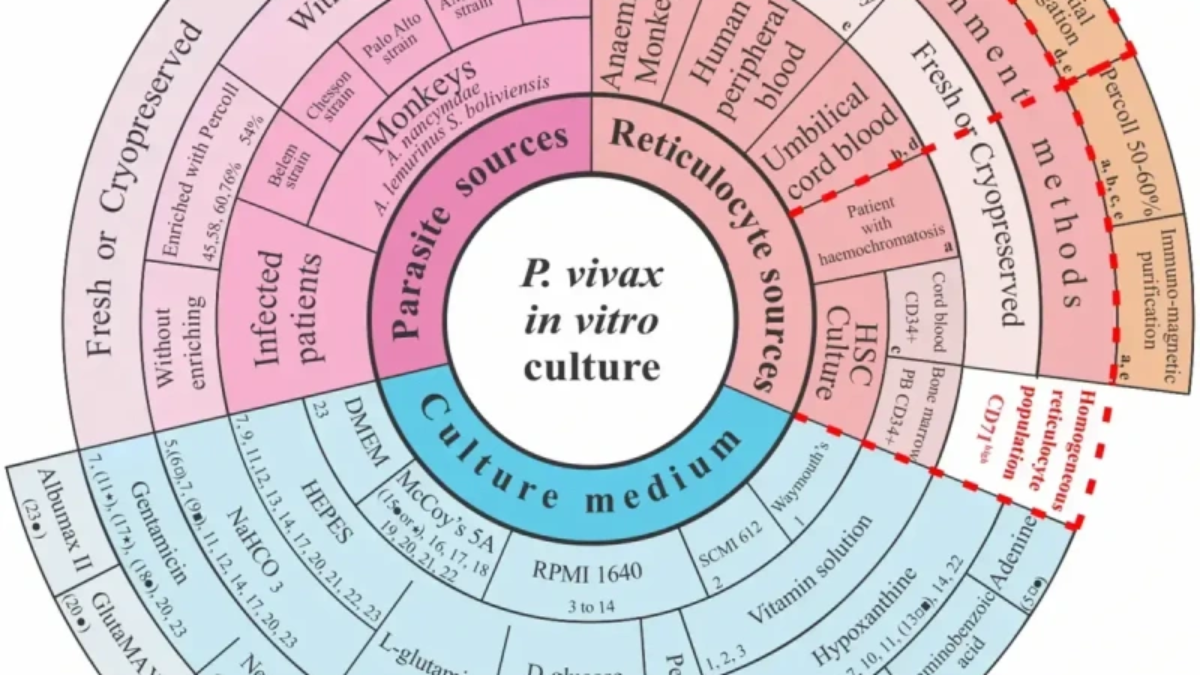
Another challenge in culturing P. vivax is the issue of its’ in vitro environment. Namely, what are the in vitro environmental requirements in which to optimally culture P. vivax. Fortunately, the problem is much less critical than that of P.vivax’s host specificity. Nonetheless, the environment in which the parasite is cultured can either play a greatly facilitating or debilitating role in parasite viability. The standard media used in P. vivax cultures seem to be either RPMI640 or McCoy’s medium (Noulin et al. 2013). The culture is usually kept at 37⁰c in a 90% N2 – 5% O2 – 5% CO2 although there is a lack of evidence supporting this particular composition of gases. Regardless, it is the most commonly utilized configuration (Noulin et al. 2013). One other crucial component is serum. Noulin et al. performed a survey of the P. vivax culture literature and found that serum concentration ranged from 10 – 50% with no substantial difference in parasite density.

The inability to maintain a continuous P. vivax culture hinders research into its biology and thus research into new therapeutics, treatments, and prevention measures for P. vivax, which remains the most frequent and widespread cause of recurring malaria. In this respect, one sees how public health interventions tie back to basic research and therefore impediments of basic research can negatively impact such interventions. Which goes on to show how crucial it is to maintain support for basic research.

On the bright side, headways are being made into how P. vivax can be continuously cultured. Panichakul et al. showed in 2007 that they were able to sustain 5 out of 14 P. vivax isolates for more than 1 month using blood derived from hematopoietic stem cells (HSC’s) taken from umbilical cord blood, albeit with low parasite density. Another more recent study by Scully et al. showed that P. vivax was able to efficiently invade immortalized erythroid progenitor cells generated from peripheral blood mononuclear cells (PBMC). The authors performed lentiviral transduction of E6 and E7 genes from Human Papillomavirus on PBMC’s. This yielded a cell line that continuously undergoes erythropoiesis in a manner similar –but not identical- to primary HSC’s with respect to both morphology and expression of stage-specific surface proteins. The differences lie mainly in; the rate of erythropoiesis, with the erythroid progenitor cell line developing faster than HSC’s, and the percentage of enucleation, which is significantly lower (5%) in the cell line.

Other strategies do away with trying to culture P. vivax, opting for in vivo models that closely mimics human vivax malaria infections. These models include non-human primates (NHP’s), and more recently humanized mice models. The latter of which seems promising as a new tool to investigate vivax malaria and by some measures is better than NHP models, as parasite isolates do not need to be adapted for use. This means that isolates gathered from fieldwork can be directly investigated without any alterations to its biology. In fact, Schäfer et al. has utilized humanized mice models infused with reticulocytes to test a particular vaccine candidate that inhibits reticulocyte invasion.

As research progresses, we will continue to gain more and more insights into P. vivax’s biology; either by finding better ways to culture P. vivax or smarter ways to circumvent the problem. In any case, we have never gotten closer to eliminating P. vivax and we can be certain that the issues presented in this article will be looked at in the future as an challenge overcome by the collective effort of a global network of scientists working towards the same goal. That of bringing about a malaria-free world.

Feature Image reference: Bermudez et al. 2018

Resources_reticulocyte_

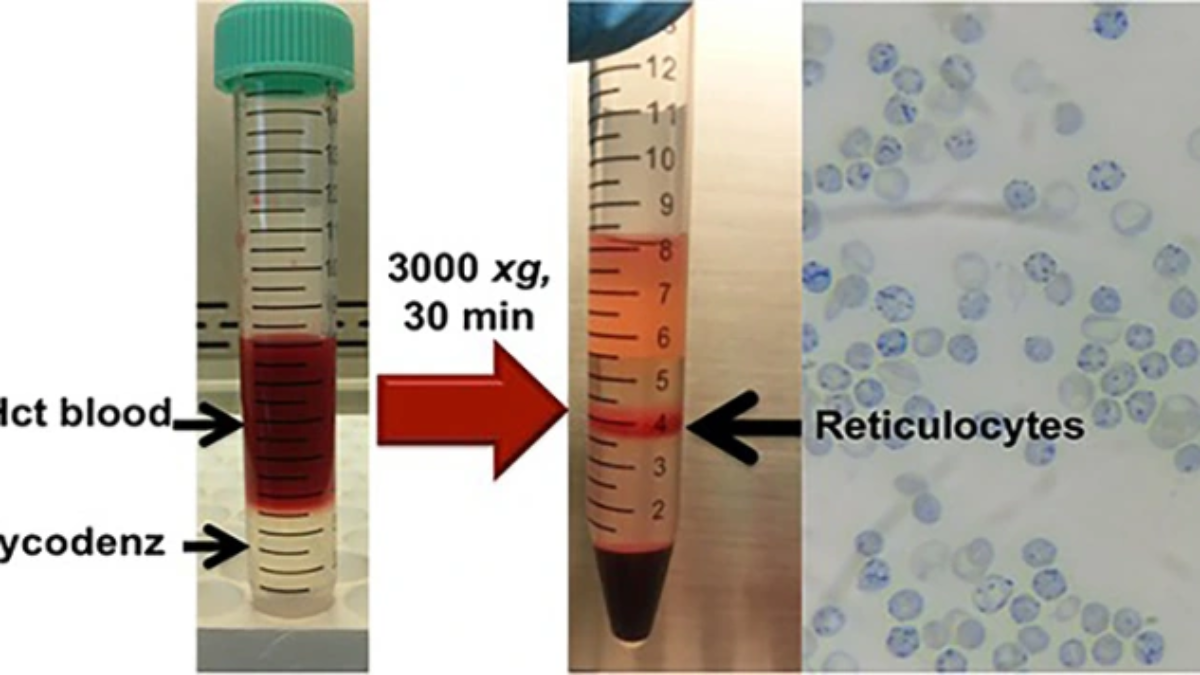
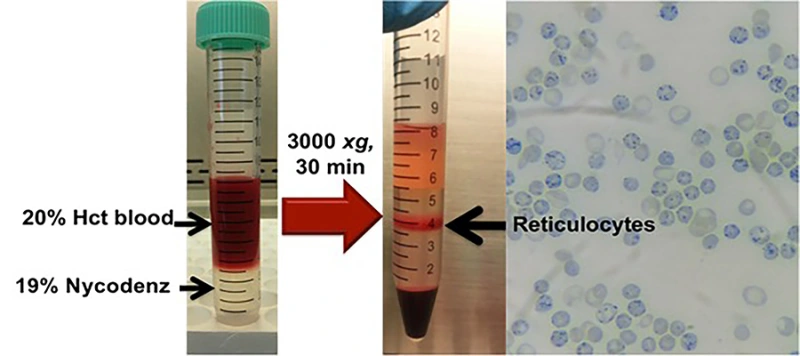
Enrichment of reticulocytes from peripheral blood

Enrichment of reticulocytes from peripheral blood

During the past decades, many efforts have been undertaken to establish a continuous culture system for P. vivax. One of the major challenges in the development of in vitro culture of P. vivax lies in its preference to invade reticulocytes. Provision of sufficient reticulocytes is a critical factor for the success of continuous culture of this parasite. We have simplified the technique to purified reticulocytes from peripheral blood.

Merozome_detached

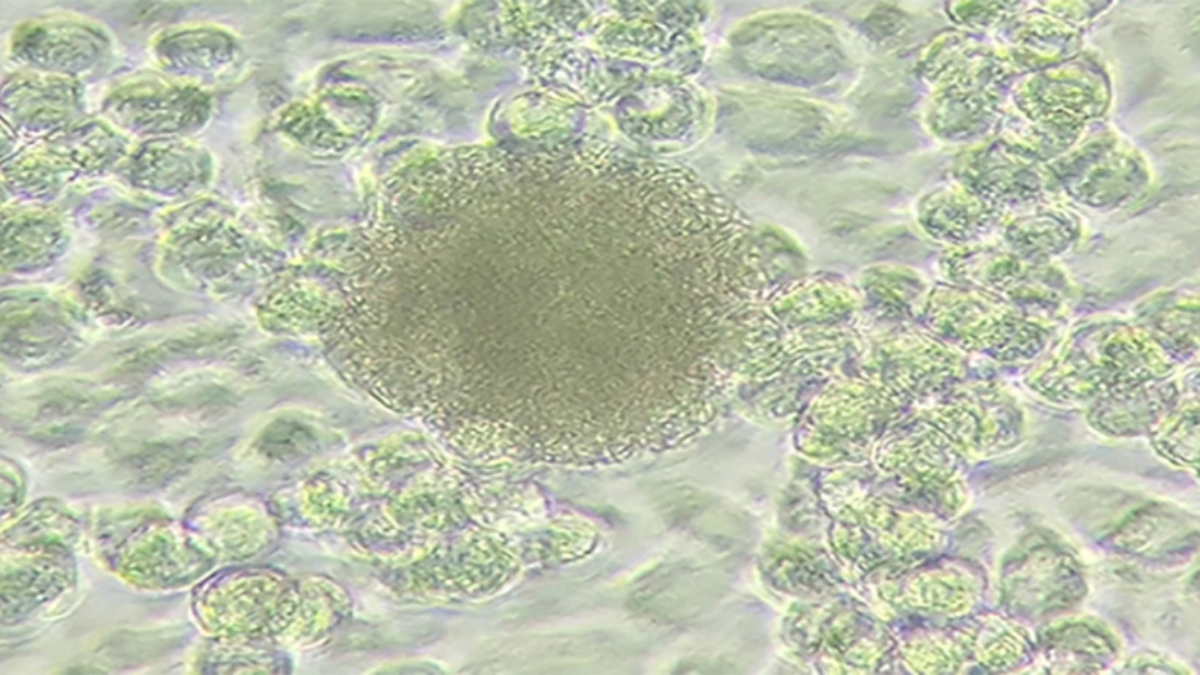
Merozome of P. vivax obtained from in vitro culture using HCO4 cell line

Merozome of P. vivax obtained from in vitro culture using HCO4 cell line

In vitro culture of P. vivax liver satge using HCO4 cell line. This video is taken by Mr. Wiwatchai Chanbanchong, PhD student who’s working on the identification of host factors that regulate P. vivax liverstage development. In this video, free merozome of P. vivax started to appeared in the culture with very active moving merozoites inside (on the left). On the right, free merozoites are comming out. This indicate a complete development of liver stage parasite in HCO4 model.