
councilor_image

American Society of Tropical Medicine and Hygiene (ASTMH) new councilor

American Society of Tropical Medicine and Hygiene (ASTMH) new councilor

Patricia F. Walker, the President of ASTMH, welcomed two new councilors: Prof. David H. Hamer from Boston University, and Dr. Jetsumon Sattabongkot Prachumsri from MVRU, Faculty of Tropical Medicine, Mahidol University, in Bangkok.

Congratulations to Dr. Prachumsri for being elected as a new councilor of the ASTMH. She is the second international member who has been elected for this position. “The Society continues to welcome our international colleagues into the Council to expand our global perspective and leadership,” Dr. Walker said. “We are looking forward to the insights Dr. Prachumsri will provide in the coming year”

Dr. Prachumsri has maintained continuous ASTMH membership since 1996, when she received an ASTMH Travel Award. She has participated actively in the Annual Meeting almost every year in various activities i.e. sharing research findings, developing collaborative networks and interacting with experts and peers. Moreover, she’s steady supervise, contribute her expertise and support young researchers and students, not only from Thailand but also from other low- and middle-income countries, for attending this active and lively meeting.

As one of the council members, Dr. Prachumsri who builds her hand-on experiences by working on malaria elimination, vaccine development, multi-drug resistance, malaria transmission and biology will contribute her expertise to the ATMH society.
ICEMR_image

Phase II of ICEMR

Phase II of ICEMR

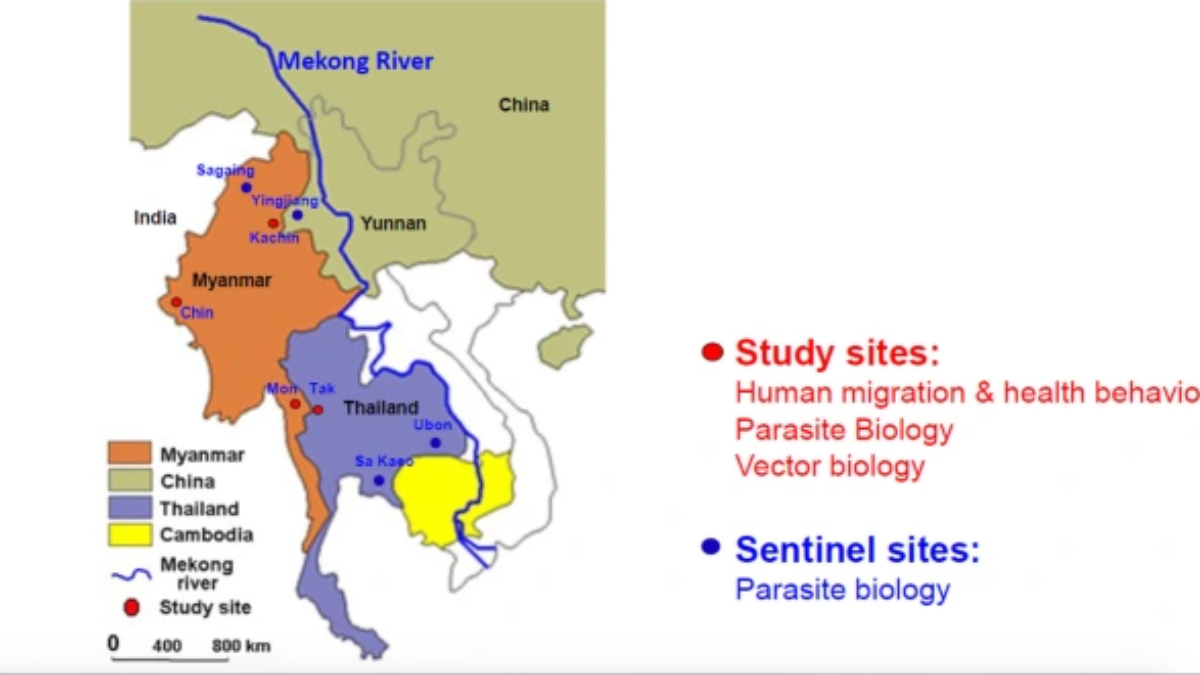
MVRU and team at the Faculty of Tropical Medicine have continued participating in “Phase II of the Southeast Asia ICMER” funded by NIAID/NIH, USA. The study is directed by Dr. Liwang Cui from Pennsylvania State University and co-directed by Dr. Jetsumon Sattabongkot Prachumsri. New data management system led by Dr. Jaranit Keawkunangwan and team from BIOPHICS will be used to combine and manage data from phase I and II.

The International Centers of Excellence for Malaria Research (ICEMR) program, created in July 2010, established a global network of independent research centers in malaria-endemic settings to provide knowledge, tools, and evidence-based strategies to support researchers working in a variety of settings.

The goal of the Southeast Asia ICEMR is to improve understanding of how mobile human populations, mosquito biology and parasite drug resistance contribute to continuous malaria transmission at international borders. The regional ICEMR will bring together diverse expertise from China, Myanmar, Thailand and the United States to address urgent problems that are relevant to both regional and global malaria control so that innovative control strategies can be developed.

MMV_award_image

Medicines for Malaria Venture (MMV) award of the year

Medicines for Malaria Venture (MMV) award of the year

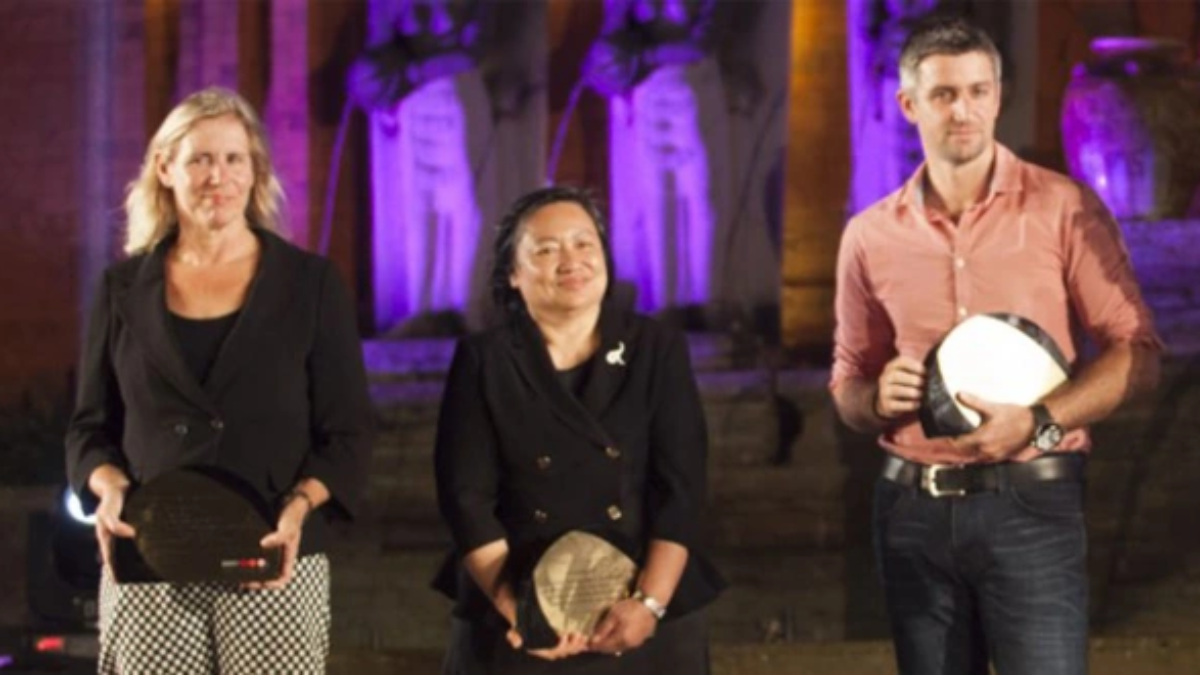
On 10 October 2017, Dr. Jetsumon Sattabongkot Prachumsri from MVRU, Mahidol University, Thailand together with Prof. Dennis Kyle, University of South Florida, Prof. Elizabeth Winzeler, University of California received MMV’s Project of the Year 2016. The award recognizes their groundbreaking research working on liver stage P. vivax malaria.

The MMV Project of the Year award is an internal MMV award, established in 2001 to recognize the most exciting drug discovery and development projects in the MMV portfolio and applauds the scientific partners involved. The Project of the Year is selected by MMV’s independent Expert Scientific Advisory Committee at the end of each year.(https://www.mmv.org/research-development/project-year-award)

The awarded studies are different platforms of in vitro system helping to understand complex biology of P. vivax liver stage. This provides new assay platforms for screening and identifying novel drugs that could protect and prevent relapse from the dormant liver stages of P. vivax for the first time.

Ivermectin_for_malaria_elimination_image

Ivermectin for malaria elimination

Ivermectin for malaria elimination

Current interventions such as long-lasting insecticide-treated bed nets (LLINs), indoor residual spraying with insecticides (IRS) and malaria diagnosis and treatment have succeeded and greatly reduce global malaria burden. However, to create a world in which no one dies of malaria, novel and innovative tools are needed due to the emergence of current drug treatment and insecticide resistances.

In early 2017 MVRU has been funded to study the use of Ivermectin for malaria elimination in Thailand. This is a 4-year study funded by Congressional Directed Military Research Program, US Department of Defense. As a part of “Ivermectin Research for Malaria Elimination Network” which was formed after the annual meeting of the American Society of Tropical Medicine and Hygiene (ASTMH) since 2014, this is the first ivermectin study that is performed in malaria endemic area in Asia.

Ivermectin kills a variety of parasites and insects, including the Anopheline (vectors of malaria parasites). Researches showed ivermectin mass drug administration to humans could be toxic to blood-feeding mosquitoes and Plasmodium parasites. Ivermectin addition to current interventions, LLINs and IRS, is becoming a stronger malaria elimination tool.

Research_are_Epidemiology

Malaria Epidemiology

Malaria Epidemiology

Research_are_Epidemiology

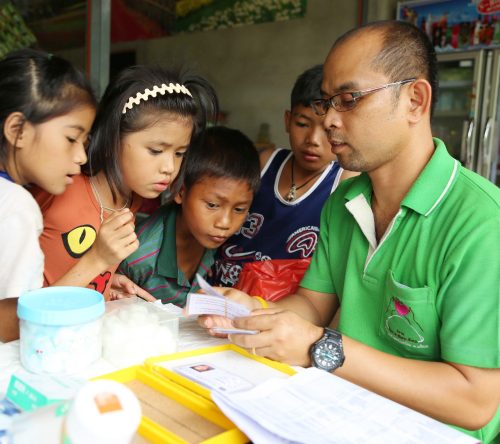
Malaria Epidemiology; MVRU has been conducting malaria mass blood and vector surveys in several hot-spot areas along the Thai-Myanmar border. Both cross-sectional and cohort study designs are used to precisely track malaria infections in human and their evolution over time. Mosquito captures are used to understand the seasonal dynamics of mosquito population as well as to identify the major malaria vectors in the study areas. These studies are also conducted in association with questionnaires developed to extract help identify groups of people who are under highest risk of malaria infection and to determine the effectiveness of interventions currently used in the country such as bednets and indoor residual sprays.Understanding the behavioral and demographic factors that underlie asymptomatic malaria infection will help policy makers identify individuals under high risks for proper intervention.

TransEpi


Topic of research

Epidemiology and Transmission of Malaria in non-African settings

Outcome

The project examines malaria epidemiology and transmission outside Africa. It provides important pieces of information for malaria elimination. Activities at Mahidol Vivax Research Unit encompassed surveys and cohort studies of human malaria infections including asymptomatic ones, assessment of contribution of malaria patients and asymptomatic carriers to forward transmission, and serological analysis of plasma of Plasmodium-infected individuals in Western Thailand.

Publications:

Key Information

Discovery & validation of novel P. vivax antigens for identification and monitoring of transmission 'hot spots'

Topic of research

To identify P. vivax proteins to be used as antigens to screen for recent parasite infection, over 1,000 P. vivax proteins, produced by Proteo-Science Center will be screened against human plasma from malaria subjects in Thailand. This will result in development of a novel serological assay to identify P. vivax transmission 'hot-spots' among populations.

Outcome

New surveillance tool to monitor malaria transmission or re-introduction after malaria elimination in the region

Research_are_vaccine

Drug & Vaccine Development

Malaria Genomics and Transcriptomics

Research_are_vaccine

Drug and Vaccine development; MVRU and its partners have been a pioneer in discovering and testing new vaccines candidates for malaria transmission (TBVs), erythrocyte invasion, sporozoite invasion as well as testing new anti-malarial compounds against hypnozoites.

Plasmodium vivax Volunteer Infection Studies in Thailand


Topic of research

Plasmodium vivax Volunteer Infection Studies in Thailand

Outcome

The vast majority of malaria vaccinology has focussed on P. falciparum and animal models. These animal models have provided fundamental insights into malaria immunity and allowed down-selection of vaccine candidates but none reproduce the human condition in endemic areas. Vaccine development in P. vivax has been relatively neglected. Vivax CHMI model in Southeast Asia, the heartland of vivax malaria, will advance vivax vaccine development to 2 major roles

  1. testing candidate vaccines to accelerate licensure among the current generation of vaccines.
  2. identifying immunological correlates of protection to guide development of the next generation of vaccines.

Key Information

  • Project Status:

    On-going

  • Funded by:
    • Welcome Trust

The development of Invasion inhibition assay for vaccine screening of Plasmodium vivax


Topic of research

Basic research related to Tropical diseases.

Outcome

Established high throughput invasion assay for in vitro vaccine screening of Plasmodium vivax. The optimized invasion assay will increase accuracy, productivity, and throughput of the assay which will fasten the antimalarial drugs/vaccines discovery.

Publications:

Key Information

  • Key MVRU Researchers:
  • Project Status:

    Past

  • Funded by:
    • Bill & Melinda Gates Foundation
    • Mahidol university
    • Korean national institute of health

 
Elucidating the Mechanism of Reticulocyte-Specific Invasion by Plasmodium vivax
      

Topic of research

Better understanding of P. vivax biology

Outcome

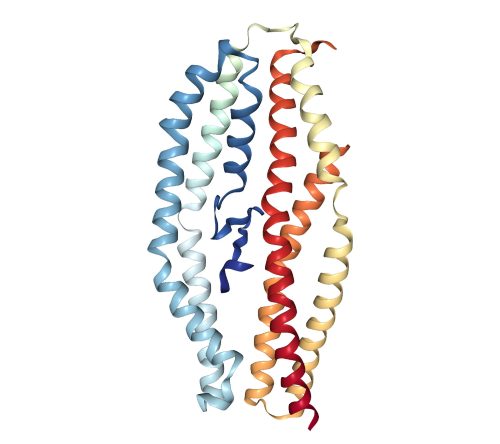
This project aims to provide a better understanding of the molecular process underlying how P. vivax senses and selects young erythrocyte to invade.

Key Information

Research_are_G6PD

G6PD

Over the past decade, malaria incidence has steadily declined in various parts of the worlds. The resilience of P. vivax relative to P. falciparum against malaria controls can be attributed, at least partially, to the parasite’s ability to remain dormant as hypnozoites in the host’s liver. Primaquine is an effective drug to treat hypnozoite and has been included in the anti-malarial drug regimen in most of the countries. Primaquine, and other 8-aminoquinolone drugs, can induce severe hemolysis in malaria patients who deficient in glucose-6-phosphate dehydrogenase (G6PD) enzyme activity. Female heterozygous G6PD deficiency is always missed by qualitative G6PD testing. Providing the primaquine to heterozygous G6PD malaria infected individual can potentially causing significant morbidity and diminish the impact of this drug. Studying G6PD deficiency especially in female heterozygous in the context of anti-malarial therapy and malaria elimination will support safe use of 8-aminoquinoline drugs for radical cure that will enable access to effective, life-saving therapy.

 
The comprehensive study on the effect of primaquine treatment in P. vivax infected G6PD deficient individuals and the prevalence of G6PD deficiency in malaria exposed population


Topic of research

International Laboratory Installation and Collaborative Research on Neglected Tropical and Vector-borne Diseases.

Outcome

Studying G6PD deficiency especially in female heterozygous in the context of anti-malarial therapy and malaria elimination will support safe use of 8-aminoquinoline drugs for radical cure that will enable access to effective, life-saving therapy.