Research_are_transmission

Malaria Transmission

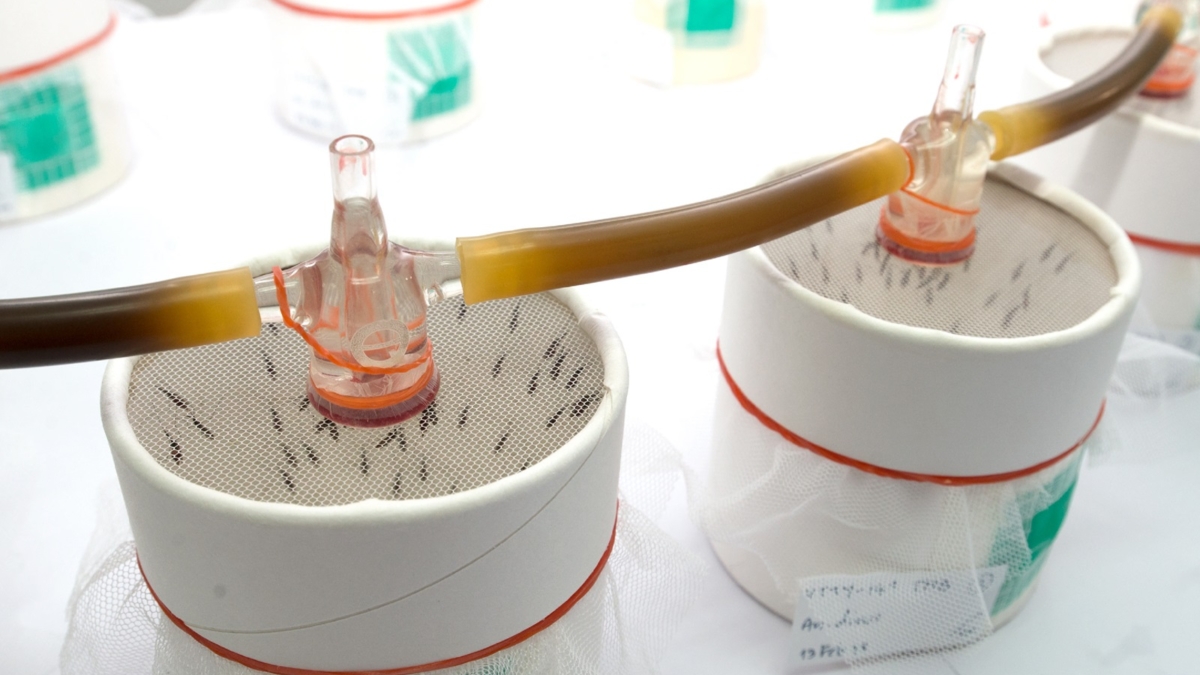
Malaria transmission; MVRU research on transmission of malaria is aimed to improve our understanding of how mobile human, populations, parasite drug resistance, and mosquito biology contribute to continuous malaria transmission at international borders so that innovative control strategies can be developed to support regional malaria elimination

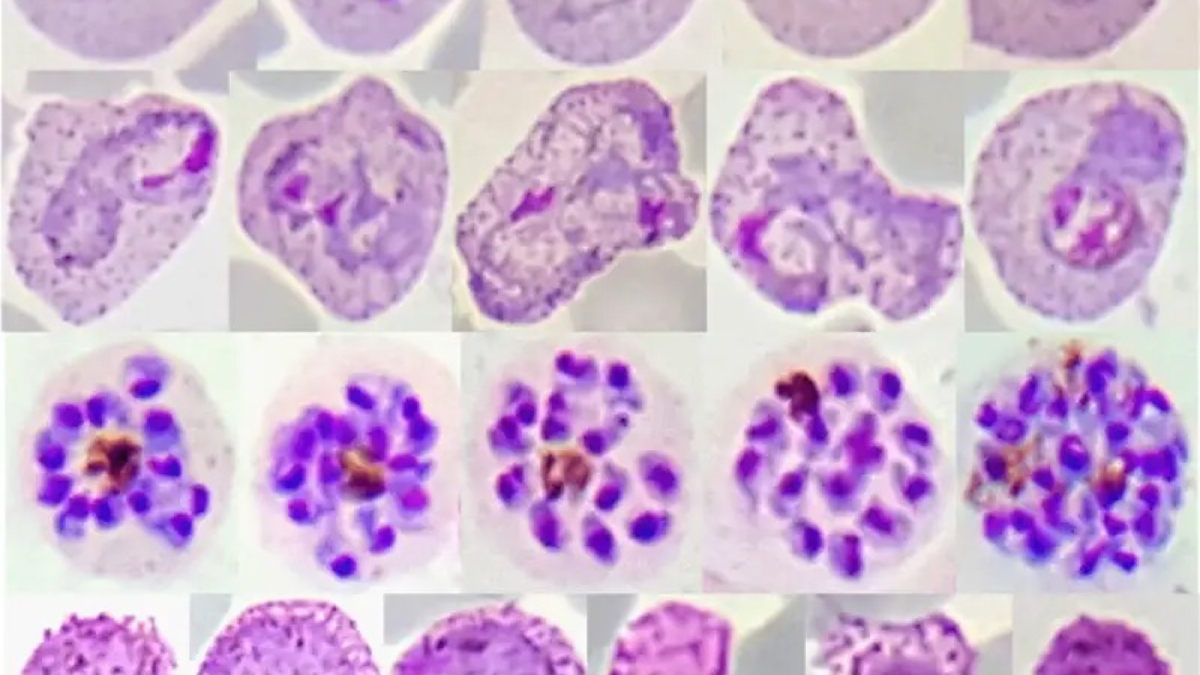
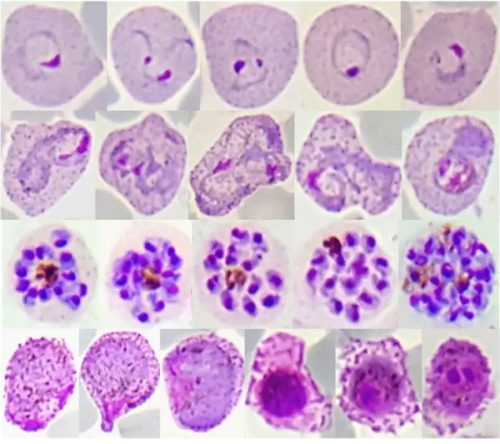
Characterization of Plasmodium vivax gametocyte and its association with mosquito infectivity

 

Topic of research

International Laboratory Installation and Collaborative Research on Neglected Tropical and Vector-borne Diseases.

Outcome

Characterization of gametocyte development will lead to the discovery of the gametocyte markers which relate to the transmission of the parasite to mosquito. These markers can be used to determine the level of contribution to transmission of reservoir populations as well as to support the development of transmission blocking vaccines/drugs.

Key Information

  • Key MVRU Researchers:
  • Project Status:

    Past

  • Funded by:
    • National institute of Allergy and infectious diseases
    • Korean national institute of health
  • In collaboration with:
    • Liwang Cui, Professor, University of South Florida
    • Takafumi Tsuboi, Professor, Proteo-Science Center, Ehime University
    • Tomoko Ishino, Associate Professor, Proteo-Science Center, Ehime University
    • Motomi Torii, Professor, Proteo-Science Center, Ehime University
    • Eizo Takashima , Associate Professor, Proteo-Science Center, Ehime University

Development of Plasmodium vivax gametocyte and its association with mosquito infectivity


Topic of research

Support deep knowledge base research. Also promote and support new researchers to continue research and stepping into higher-level research work.

Outcome

The information on P. vivax gametocyte development will give a better understanding of gametocyte biology and their infectiveness to the mosquito, allowing future identification of novel candidates for transmission blocking vaccines/drugs.

Transcriptomes and Proteomes of Plasmodium vivax



Topic of research

Exploratory/Developmental research

Outcome

This study depict a comprehensive view of gene expression of P. vivax blood stage. Such information will help unravel the mechanism of sexual development which may lead to the discovery of new antimalarial drugs and transmission-blocking vaccine targets. This information will definitely fuel malaria elimination.

Key Information

  • Key MVRU Researchers:
  • Project Status:

    On-going

  • Funded by:
    • National institute of Allergy and infectious diseases
  • In collaboration with:
    • Liwang Cui, Professor, University of South Florida
Research_are_Epidemiology

Malaria Epidemiology

Malaria Epidemiology

Research_are_Epidemiology

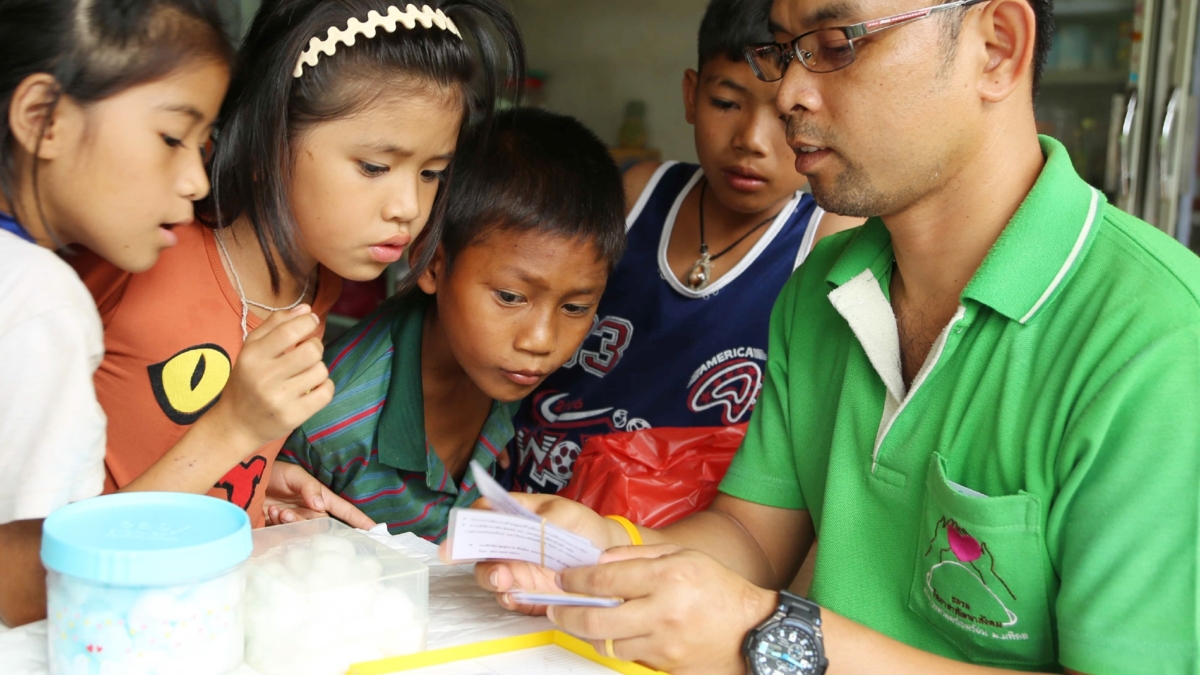
Malaria Epidemiology; MVRU has been conducting malaria mass blood and vector surveys in several hot-spot areas along the Thai-Myanmar border. Both cross-sectional and cohort study designs are used to precisely track malaria infections in human and their evolution over time. Mosquito captures are used to understand the seasonal dynamics of mosquito population as well as to identify the major malaria vectors in the study areas. These studies are also conducted in association with questionnaires developed to extract help identify groups of people who are under highest risk of malaria infection and to determine the effectiveness of interventions currently used in the country such as bednets and indoor residual sprays.Understanding the behavioral and demographic factors that underlie asymptomatic malaria infection will help policy makers identify individuals under high risks for proper intervention.

TransEpi


Topic of research

Epidemiology and Transmission of Malaria in non-African settings

Outcome

The project examines malaria epidemiology and transmission outside Africa. It provides important pieces of information for malaria elimination. Activities at Mahidol Vivax Research Unit encompassed surveys and cohort studies of human malaria infections including asymptomatic ones, assessment of contribution of malaria patients and asymptomatic carriers to forward transmission, and serological analysis of plasma of Plasmodium-infected individuals in Western Thailand.

Publications:

Key Information

Discovery & validation of novel P. vivax antigens for identification and monitoring of transmission 'hot spots'

Topic of research

To identify P. vivax proteins to be used as antigens to screen for recent parasite infection, over 1,000 P. vivax proteins, produced by Proteo-Science Center will be screened against human plasma from malaria subjects in Thailand. This will result in development of a novel serological assay to identify P. vivax transmission 'hot-spots' among populations.

Outcome

New surveillance tool to monitor malaria transmission or re-introduction after malaria elimination in the region

Research_are_vaccine

Drug & Vaccine Development

Malaria Genomics and Transcriptomics

Research_are_vaccine

Drug and Vaccine development; MVRU and its partners have been a pioneer in discovering and testing new vaccines candidates for malaria transmission (TBVs), erythrocyte invasion, sporozoite invasion as well as testing new anti-malarial compounds against hypnozoites.

Plasmodium vivax Volunteer Infection Studies in Thailand


Topic of research

Plasmodium vivax Volunteer Infection Studies in Thailand

Outcome

The vast majority of malaria vaccinology has focussed on P. falciparum and animal models. These animal models have provided fundamental insights into malaria immunity and allowed down-selection of vaccine candidates but none reproduce the human condition in endemic areas. Vaccine development in P. vivax has been relatively neglected. Vivax CHMI model in Southeast Asia, the heartland of vivax malaria, will advance vivax vaccine development to 2 major roles

  1. testing candidate vaccines to accelerate licensure among the current generation of vaccines.
  2. identifying immunological correlates of protection to guide development of the next generation of vaccines.

Key Information

  • Project Status:

    On-going

  • Funded by:
    • Welcome Trust

The development of Invasion inhibition assay for vaccine screening of Plasmodium vivax


Topic of research

Basic research related to Tropical diseases.

Outcome

Established high throughput invasion assay for in vitro vaccine screening of Plasmodium vivax. The optimized invasion assay will increase accuracy, productivity, and throughput of the assay which will fasten the antimalarial drugs/vaccines discovery.

Publications:

Key Information

  • Key MVRU Researchers:
  • Project Status:

    Past

  • Funded by:
    • Bill & Melinda Gates Foundation
    • Mahidol university
    • Korean national institute of health

 
Elucidating the Mechanism of Reticulocyte-Specific Invasion by Plasmodium vivax
      

Topic of research

Better understanding of P. vivax biology

Outcome

This project aims to provide a better understanding of the molecular process underlying how P. vivax senses and selects young erythrocyte to invade.

Key Information

Research_are_G6PD

G6PD

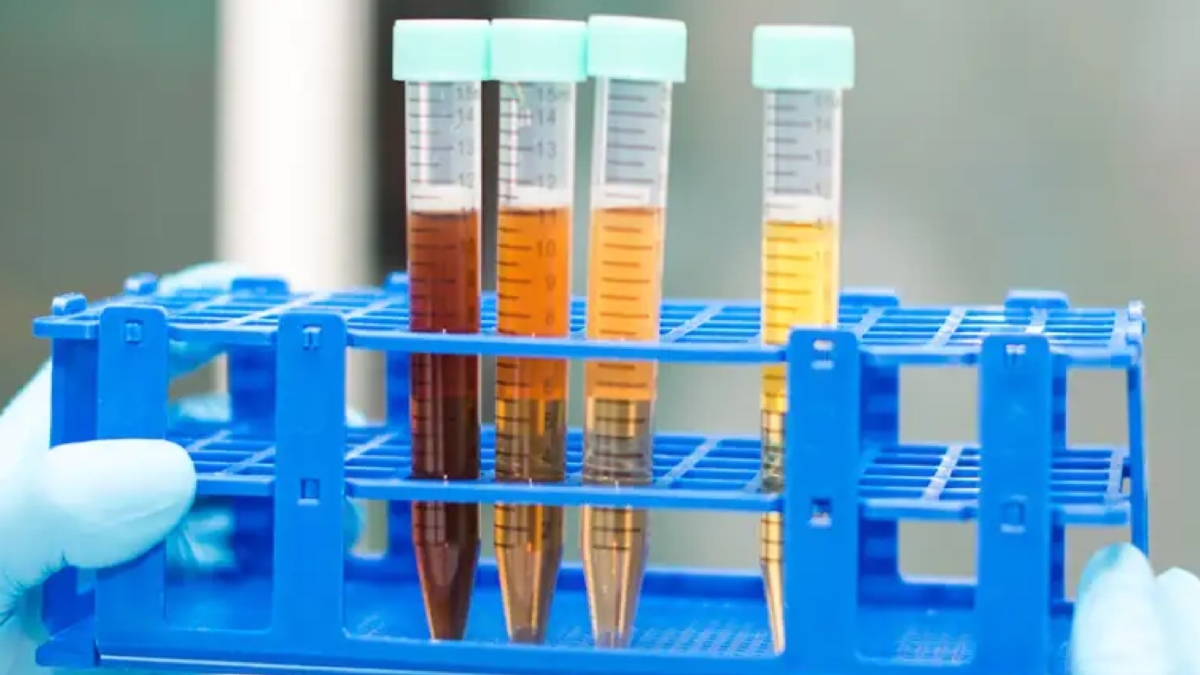
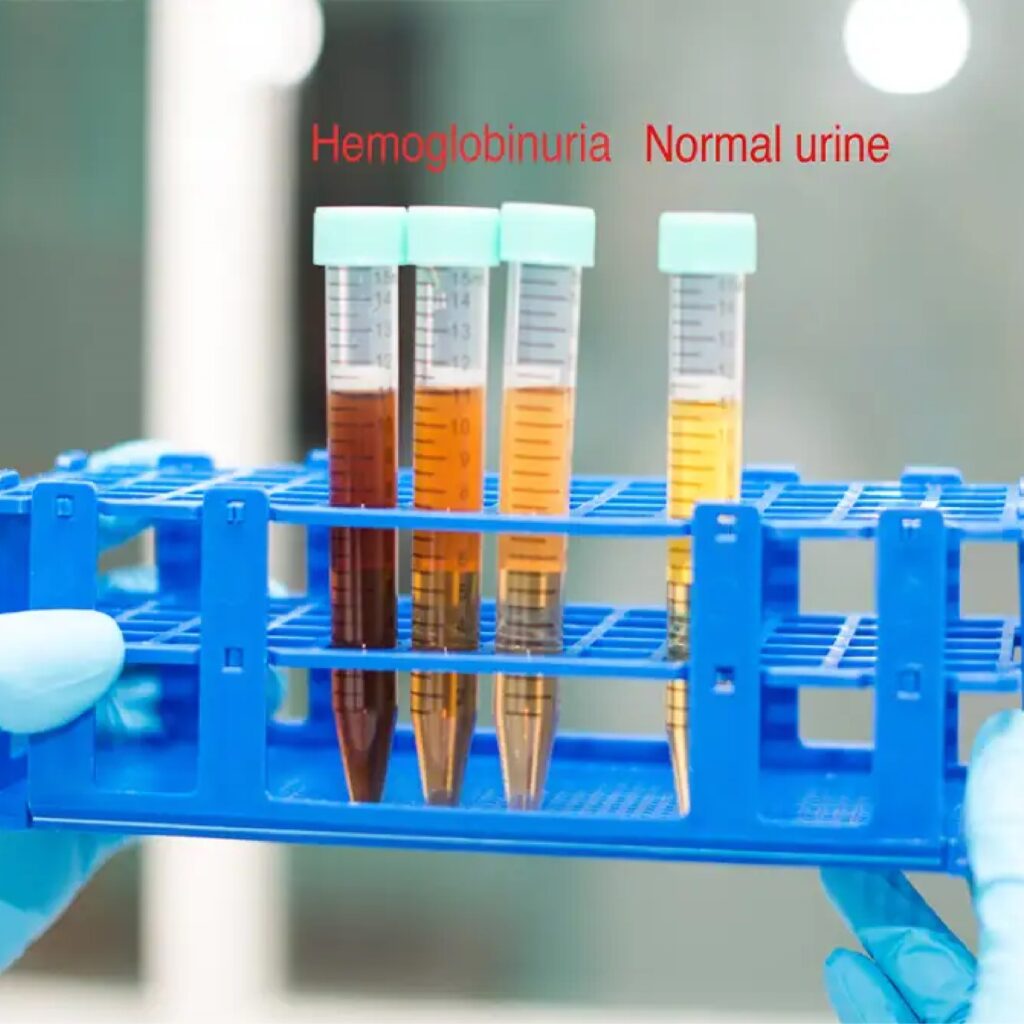
Over the past decade, malaria incidence has steadily declined in various parts of the worlds. The resilience of P. vivax relative to P. falciparum against malaria controls can be attributed, at least partially, to the parasite’s ability to remain dormant as hypnozoites in the host’s liver. Primaquine is an effective drug to treat hypnozoite and has been included in the anti-malarial drug regimen in most of the countries. Primaquine, and other 8-aminoquinolone drugs, can induce severe hemolysis in malaria patients who deficient in glucose-6-phosphate dehydrogenase (G6PD) enzyme activity. Female heterozygous G6PD deficiency is always missed by qualitative G6PD testing. Providing the primaquine to heterozygous G6PD malaria infected individual can potentially causing significant morbidity and diminish the impact of this drug. Studying G6PD deficiency especially in female heterozygous in the context of anti-malarial therapy and malaria elimination will support safe use of 8-aminoquinoline drugs for radical cure that will enable access to effective, life-saving therapy.

 
The comprehensive study on the effect of primaquine treatment in P. vivax infected G6PD deficient individuals and the prevalence of G6PD deficiency in malaria exposed population


Topic of research

International Laboratory Installation and Collaborative Research on Neglected Tropical and Vector-borne Diseases.

Outcome

Studying G6PD deficiency especially in female heterozygous in the context of anti-malarial therapy and malaria elimination will support safe use of 8-aminoquinoline drugs for radical cure that will enable access to effective, life-saving therapy.

Malaria Infection Study in Thailand

(Malaria Infection Study in Thailand)

The Malaria Infection Study in Thailand (MIST) is a program of research to accelerate development of vaccine and drugs for Plasmodium vivax. MIST is a collaboration between the Mahidol Vivax Research Unit (MVRU) and Mahidol Oxford Tropical Medicine Research Unit (MORU), funded by Wellcome, UK. The studies will involve carefully giving a controlled number of parasites to healthy volunteers and will be conducted at the Faculty of Tropical Medicine, which has a Clinical Research Centre, in dedicated, modern, well equipped facilities. The team has more than 50 years’ experience conducting world-class malaria research. The research will provide the platform for testing potential vaccines and drugs as well as other interventions for P. vivax. https://mist.in.th

Research_are_biology

Malaria Genomics and Transcriptomics

Malaria Genomics and Transcriptomics

Research_are_biology

Biology; P. vivax has several unique biological features that are associated with its prevalence, clinical pathology, and transmission strategies. P. vivax selectively invades reticulocytes with the Duffy surface antigens. The kinetics of gametocyte production in P. vivax is also different with infective gametocytes appearing before the onset of the clinical symptoms. Most notably, P. vivax forms dormant hypnozoites in hepatocytes responsible for relapses of the disease, which poses a serious obstacle to the control and eventual eradication of this parasite. Our research at MVRU is aim to explore the molecular mechanism underlying those unique characteristics.

Characterization of Plasmodium vivax gametocyte and its association with mosquito infectivity

Topic of research

International Laboratory Installation and Collaborative Research on Neglected Tropical and Vector-borne Diseases.

Outcome

Characterization of gametocyte development will lead to the discovery of the gametocyte markers which relate to the transmission of the parasite to mosquito. These markers can be used to determine the level of contribution to transmission of reservoir populations as well as to support the development of transmission blocking vaccines/drugs.

Key Information

  • Key MVRU Researchers:
  • Project Status:

    Past

  • Funded by:
    • National institute of Allergy and infectious diseases
    • Korean national institute of health
  • In collaboration with:
    • Liwang Cui, Professor, University of South Florida
    • Takafumi Tsuboi, Professor, Proteo-Science Center, Ehime University
    • Tomoko Ishino, Associate Professor, Proteo-Science Center, Ehime University
    • Motomi Torii, Professor, Proteo-Science Center, Ehime University
    • Eizo Takashima , Associate Professor, Proteo-Science Center, Ehime University

The development of Invasion inhibition assay for vaccine screening of Plasmodium vivax

Topic of research

Basic research related to Tropical diseases.

Outcome

Established high throughput invasion assay for in vitro vaccine screening of Plasmodium vivax. The optimized invasion assay will increase accuracy, productivity, and throughput of the assay which will fasten the antimalarial drugs/vaccines discovery.

Publications:

Key Information

  • Key MVRU Researchers:
  • Project Status:

    Past

  • Funded by:
    • Bill & Melinda Gates Foundation
    • Mahidol university
    • Korean national institute of health

 
Elucidating the Mechanism of Reticulocyte-Specific Invasion by Plasmodium vivax
      

Topic of research

Better understanding of P. vivax biology

Outcome

This project aims to provide a better understanding of the molecular process underlying how P. vivax senses and selects young erythrocyte to invade.

Key Information

Development of Plasmodium vivax gametocyte and its association with mosquito infectivity


Topic of research

Support deep knowledge base research. Also promote and support new researchers to continue research and stepping into higher-level research work.

Outcome

The information on P. vivax gametocyte development will give a better understanding of gametocyte biology and their infectiveness to the mosquito, allowing future identification of novel candidates for transmission blocking vaccines/drugs.

Key Information

  • Key MVRU Researchers:
  • Project Status:

    On-going

  • Funded by:
    • TRF
  • In collaboration with:
    • Liwang Cui, Professor, University of South Florida

Transcriptomes and Proteomes of Plasmodium vivax

Topic of research

Exploratory/Developmental research

Outcome

This study depict a comprehensive view of gene expression of P. vivax blood stage. Such information will help unravel the mechanism of sexual development which may lead to the discovery of new antimalarial drugs and transmission-blocking vaccine targets. This information will definitely fuel malaria elimination.

Key Information

  • Key MVRU Researchers:
  • Project Status:

    On-going

  • Funded by:
    • National institute of Allergy and infectious diseases
  • In collaboration with:
    • Liwang Cui, Professor, University of South Florida

Research_are_field

Malaria Diagnosis

Malaria diagnosis; At MVRU, we have been working on new ways to diagnose malaria. We were one of the first research groups to apply Loop Mediate Isothermal Amplification (LAMP) to detect malaria parasites. This technology works by amplifying the target DNA molecule at a single temperature, thus requiring simple instrumentation while maintaining very high detection sensitivity comparable to PCR. Our LAMP assays were created in response to the need of quick and easy diagnosis in the remote sites in Thailand. All types of human malaria parasites can now be detected and differentiated. These tools have helped us find low-density asymptomatic malaria carriers in our study areas.